Key facts
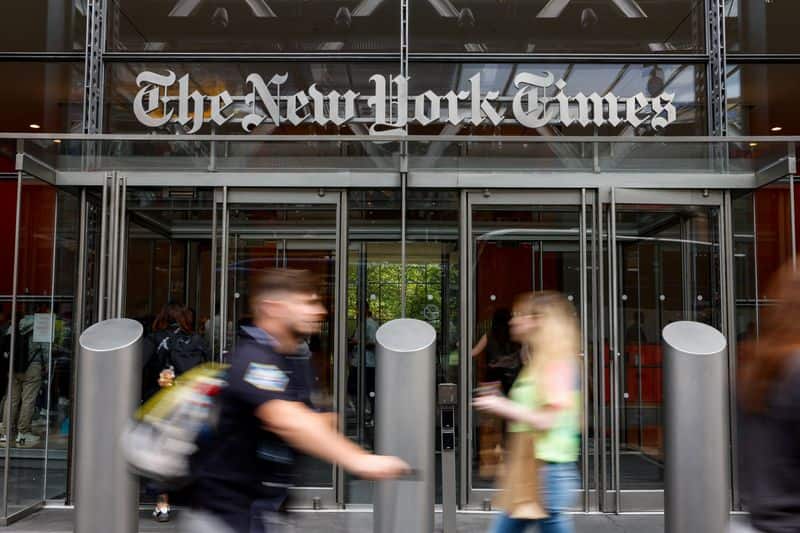
- The New York Times has countersued the U.S. Equal Employment Opportunity Commission (EEOC).
- The Times alleges the EEOC's lawsuit is a violation of the U.S. Constitution's First and Fifth Amendments.
- The EEOC had sued the Times alleging discrimination against a white male applicant for a deputy real estate editor role.
- The EEOC claimed the selected multiracial female candidate lacked real estate journalism experience.
- The Times asserts its diversity goals were aspirational and did not influence the hiring decision.
- The Times claims the EEOC's lawsuit is retaliation for its reporting on the Trump administration.
The New York Times has filed a countersuit against the U.S. Equal Employment Opportunity Commission (EEOC), accusing the federal agency of political retaliation and infringing on free speech. The countersuit comes in response to a discrimination lawsuit filed by the EEOC against the newspaper on behalf of a white male employee who was rejected for a role awarded to a multiracial woman.
The Times alleges the EEOC initiated its lawsuit as retaliation for the newspaper's critical coverage of the Trump administration, particularly a story suggesting pressure on EEOC staff to pursue cases aligned with government priorities. The newspaper claims the EEOC prematurely ended conciliation efforts and filed the lawsuit a week after this story was published, asserting that the agency's actions violate the U.S. Constitution's First and Fifth Amendments.
The original EEOC lawsuit claims the Times discriminated based on race and gender when it did not select a male editor with experience since 2014 for the deputy real estate editor position in 2025. The EEOC alleged that the selected multiracial female candidate lacked real estate journalism experience but matched the race and/or sex characteristics the Times sought to increase in leadership. The Times disputes this, stating the selected candidate articulated a compelling vision for the role and that its diversity goals were aspirational, not quotas, and did not affect the hiring decision.
EEOC Chair Andrea Lucas has been critical of representation goals and has focused on challenging diversity, equity, and inclusion (DEI) initiatives that she argues discriminate against white men. The EEOC's actions have drawn criticism from civil rights organizations and former Democratic EEOC leaders who view the agency as attacking long-accepted practices designed to prevent discrimination against marginalized workers.