Key facts
- Prime Minister Benjamin Netanyahu faces domestic criticism and a strained relationship with President Donald Trump over a preliminary US-Iran deal.
- The US-Iran agreement aims for a ceasefire and negotiation period, but Israel believes it is 'terrible' and may be extended, limiting military action.
- Netanyahu's strategy to use the deal to bolster his election prospects has backfired, creating a rift with Trump.
- Netanyahu and Trump have clashed over Israel's refusal to constrain Hezbollah in Lebanon, a key demand in the US-Iran negotiations.
- Israel has stated it is not bound by the US-Iran pact and reserves its right to act independently.
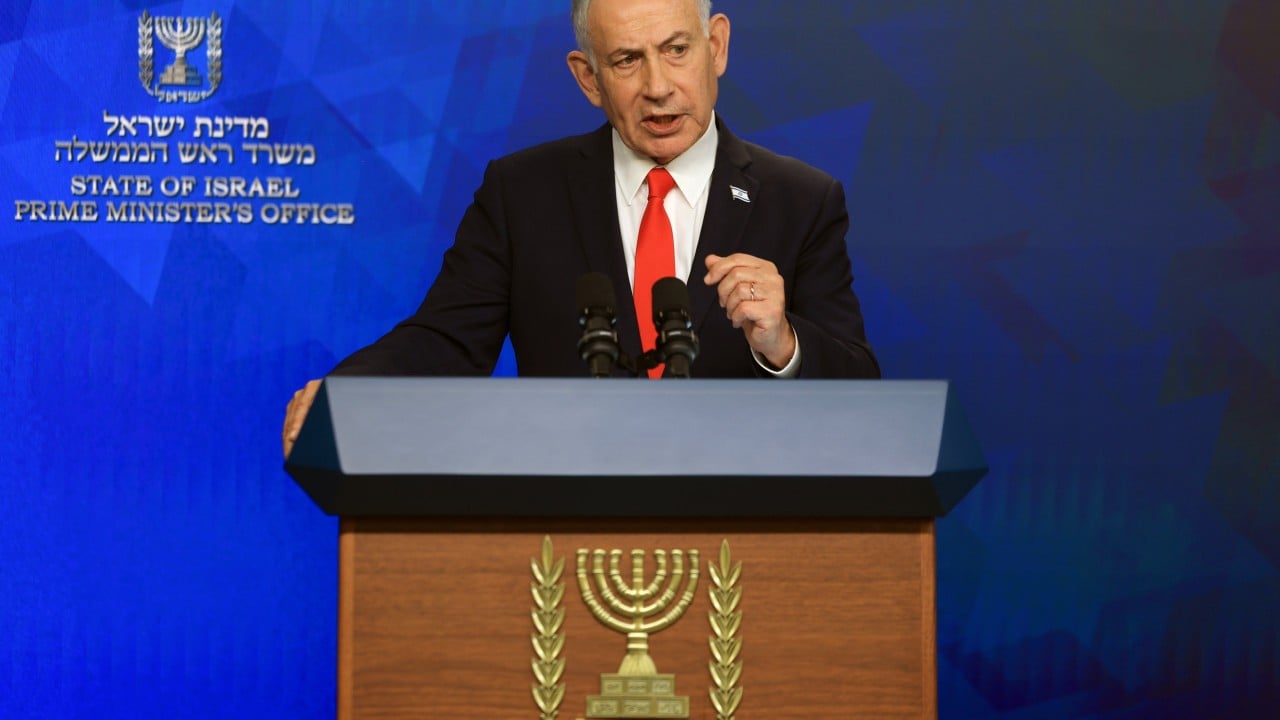
Prime Minister Benjamin Netanyahu is facing significant domestic criticism and a widening rift with President Donald Trump over a preliminary U.S.-Iran deal aimed at halting hostilities. The agreement, which Netanyahu privately described as 'terrible for Israel,' has left him politically exposed ahead of upcoming elections and undermined his image as a strong security leader.
Netanyahu's strategy of aligning with Trump on a war against Iran, intended to bolster his domestic standing and reshape the Middle East, has backfired. Instead, he finds himself on a collision course with Trump, who is seeking to withdraw from the conflict. Israeli officials expressed frustration that the preliminary agreement could tie their hands militarily during the 60-day negotiation period, while their core concerns remain unaddressed.
The relationship between Netanyahu and Trump has been strained by Israel's refusal to constrain Hezbollah in Lebanon, a key Iranian demand in the negotiations. Reports indicate Trump had an angry phone call with Netanyahu, ordering him not to strike Beirut, though Israel later conducted strikes in the Lebanese capital, provoking Iranian missile attacks and a public rebuke from Trump.
Despite the public divergence, Netanyahu is expected to avoid openly opposing the deal to avoid a direct confrontation with Trump. However, Israel has indicated it is not bound by the agreement and reserves its rights. The deal itself aims to reopen the Strait of Hormuz and resolve Iran's nuclear program during the negotiation period, though issues like Iran's missile program and support for regional groups are not on the agenda.
Analysts suggest Netanyahu will struggle to sell the agreement to the Israeli public, with polls showing declining confidence in Trump's commitment to Israel's security. Israel's energy minister has stated the country is prepared to act alone if Iran pursues nuclear and missile capabilities, though he believes the likelihood of Tehran doing so during Trump's tenure is low.