Key facts
- A glacial collapse on August 26 triggered floods in Nepal and Tibet.
- At least 1,380 bodies have been recovered from the disaster.
- An estimated 5,500 people remain missing.
- Reuters photographers documented the aftermath, focusing on human scale and devastation.
- Rescue efforts have shifted to hydropower project tunnels where workers were believed trapped.
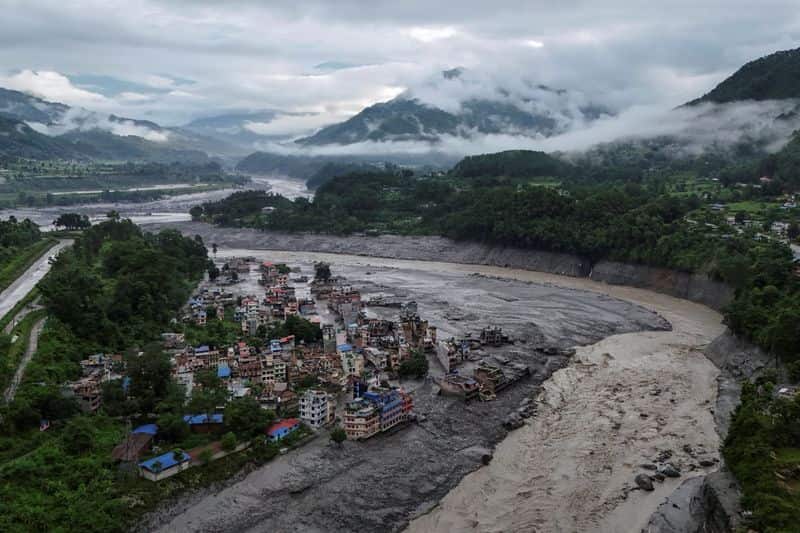
Reuters photographers have documented the aftermath of a devastating flood in Nepal and Tibet, which occurred on August 26 following a glacial collapse. The disaster sent a mass of mud and rock crashing into a river, leading to widespread destruction of villages and highways. As waters recede, survivors are left stunned and grieving, with rescue efforts ongoing, particularly in hydropower project tunnels where dozens of workers were believed to be trapped.
At least 1,380 bodies have been recovered, and an estimated 5,500 people remain missing. Photographers like Adnan Abidi, Francis Mascarenhas, Navesh Chitrakar, Athit Perawongmetha, and Tyrone Siu have captured poignant images that convey the human scale of the tragedy, the challenges of rescue operations, and the long-term impact of the disaster. These images range from abandoned school bags and a dazed elderly woman being rescued to the stark reality of destroyed infrastructure and the grim task of identifying bodies.