Key facts
- NASA aims for a lunar landing by 2028 as part of the Artemis Program.
- SpaceX's Starship will dock with Orion in high-Earth orbit for lunar transit.
- Blue Origin's plan involves four New Glenn launches with no refueling between vehicles.
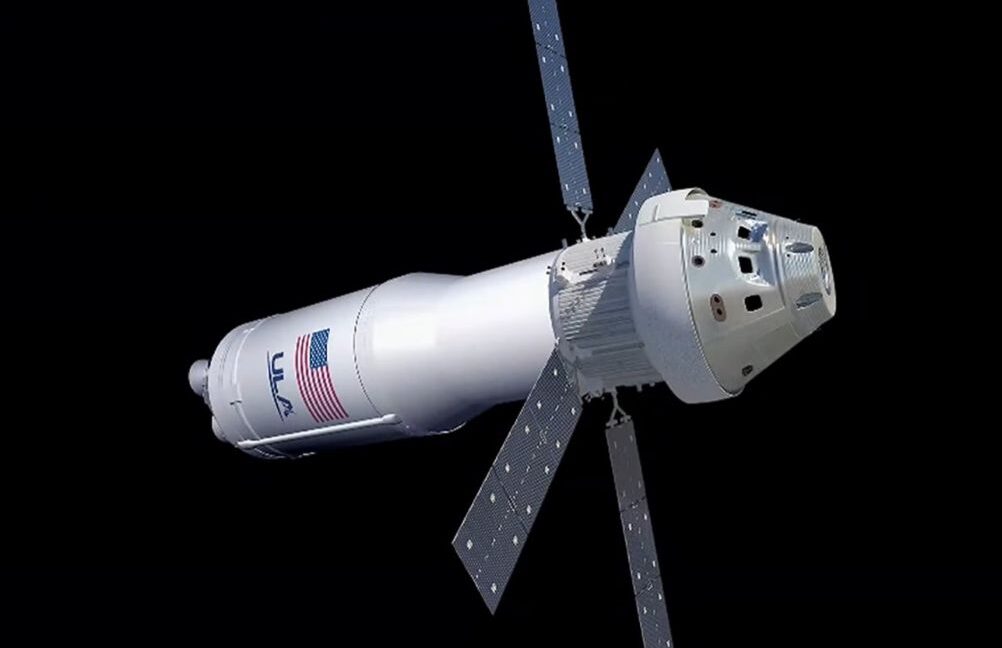
- NASA is developing an extended Centaur V upper stage for Orion's low-lunar orbit capability.
- Artemis III is anticipated by summer 2027, with Artemis IV targeting a 2028 lunar landing.
NASA detailed its revised Artemis Program plans on Friday, outlining a path to return astronauts to the Moon as soon as 2028. The updated architecture addresses changes for both SpaceX's Starship and Blue Origin's lander systems. For SpaceX, the Orion spacecraft will now dock with the Starship lunar lander in high-Earth orbit before heading to the Moon, a change that simplifies the mission by removing the need for docking in a near-rectilinear halo orbit. Blue Origin's plan involves four launches of its New Glenn rocket without in-space refueling between vehicles, with its Blue Moon lander potentially rendezvousing with Orion in low-Lunar orbit. NASA officials anticipate launching the Artemis III mission by summer 2027 and Artemis IV, which includes a lunar landing, by 2028. A significant development is NASA's work with United Launch Alliance to create an extended Centaur V upper stage, aimed at enabling Orion to reach low-lunar orbit, a capability that has long been a challenge due to the spacecraft's propulsion limitations.