Key facts
- Nagasaki commemorated the 81st anniversary of the U.S. atomic bombing on Sunday.
- Mayor Shiro Suzuki declared nuclear weapons an 'absolute evil' and a danger to humanity.
- Suzuki urged Japan's government to uphold its three non-nuclear principles.
- Prime Minister Fumio Kishida reiterated Japan's commitment to a realistic approach to nuclear disarmament.
- Representatives from over 90 countries attended the ceremony.
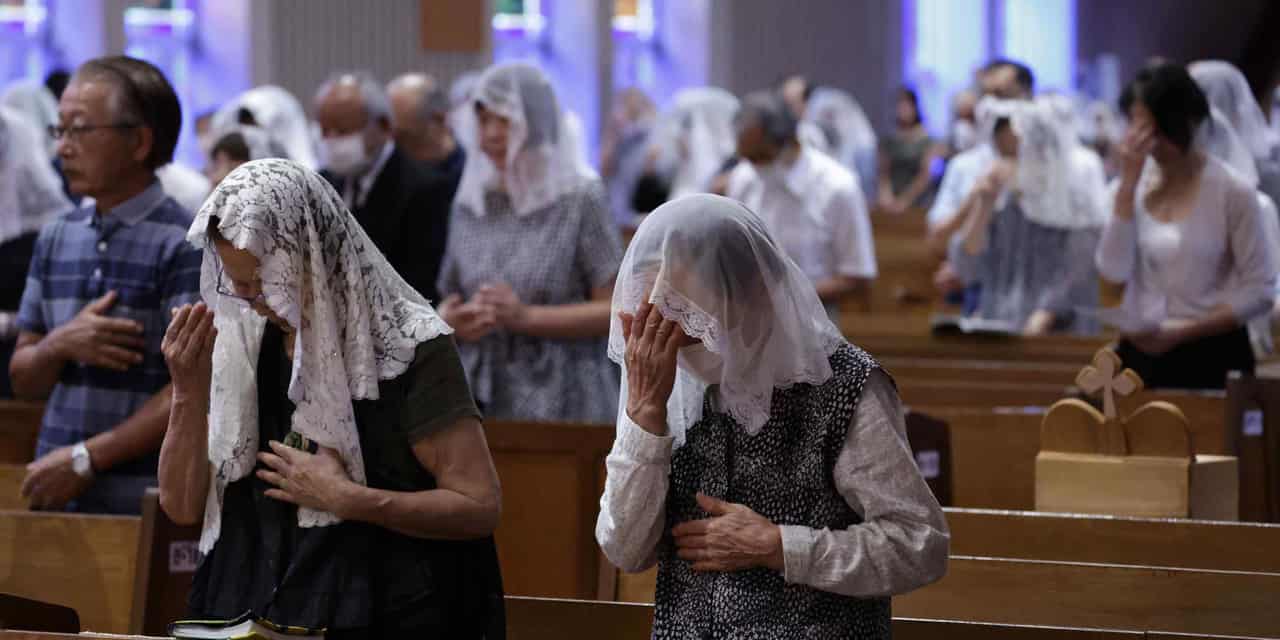
Nagasaki marked the 81st anniversary of its atomic bombing on Sunday, with Mayor Shiro Suzuki warning that nuclear deterrence increases the risk of nuclear war. During the ceremony at the Peace Park, Suzuki declared nuclear weapons to be an "absolute evil" that can never coexist with humanity.
Suzuki specifically called on Japan's government to respect the country's pacifist Constitution, attend the Treaty on the Prohibition of Nuclear Weapons review conference, and adhere to the three non-nuclear principles. Prime Minister Fumio Kishida, who attended the ceremony, reiterated Japan's policy of adopting a "realistic and pragmatic approach" to achieving a nuclear-weapon-free world, while maintaining the country's nuclear umbrella protection from the United States.
Survivors, known as hibakusha, have expressed frustration with the government's support for nuclear deterrence, fearing that memories of the bombings will fade as the average age of survivors now exceeds 86 years. Representatives from over 90 countries attended the commemoration, observing a moment of silence at 11:02 a.m., the time the U.S. dropped the plutonium bomb on Nagasaki in 1945. The bombing, three days after Hiroshima, ultimately killed an estimated 70,000 people by the end of that year, contributing to Japan's surrender on August 15, 1945, and the end of World War II.