Key facts
- Terafab told Japanese suppliers it plans 1 million wafers a month after 2032, Nikkei reported.
- About 700,000 wafers would go to memory chips and more than 300,000 to logic chips.
- Procurement managers visited Japan in early November 2026 to discuss delivery timelines.
- Some Japanese toolmakers were asked to deliver within a few months, according to the report.
- Musk set a timeline in October 2026 to start mass production in the second half of 2028.
- Intel is also participating in the project, the report said.
Elon Musk's Terafab semiconductor production project has begun procurement talks with Japanese chipmaking equipment suppliers, Nikkei reported on November 9, 2026. The project has informally told the suppliers it plans to produce 1 million silicon wafers a month after 2032, with about 700,000 going to memory chips and more than 300,000 to logic chips, according to the report.
Multiple Terafab procurement managers visited Japan in early November 2026, held meetings with local equipment suppliers and discussed equipment delivery timelines and mass-production plans, the report said. Some Japanese toolmakers were asked to deliver within a few months, according to the report.
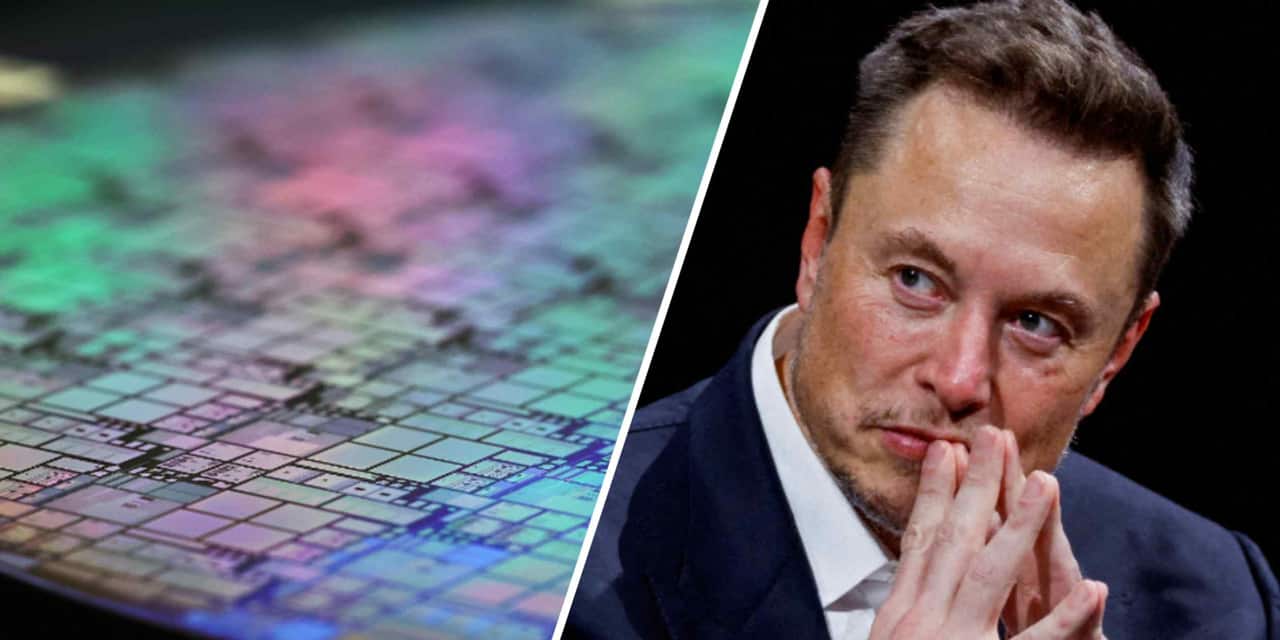
Terafab is a semiconductor manufacturing project jointly led by Tesla and SpaceX, both led by Musk. The plan calls for a plant in Texas to supply chips for artificial intelligence and robotics, with Musk outlining a system to support 1 terawatt of compute a year. Musk set a timeline in October 2026 to start mass production in the second half of 2028.
The scale is far above existing projects. Rapidus, Japan's publicly and privately backed chipmaker, has capacity of 25,000 wafers a month at its plant in Chitose, Hokkaido, making Terafab's target about 40 times that figure. Cutting-edge fabs typically take more than three years from planning to mass production, and Terafab has no experience operating a large-scale chip manufacturing facility, the report said.
An executive at a major Japanese chip equipment maker said Terafab's production goals and schedule are on a completely different level from conventional fab projects, according to the report. Douglas Lefever, CEO of Japanese test-equipment maker Advantest, did not mention Terafab by name during October 2026 earnings but said the project is becoming a reality and could develop into a meaningful long-term market. TSMC Chair and CEO C.C. Wei said in October 2026 that the company is discussing how Terafab's production capacity could be used.
Intel is also participating in the Terafab project, raising the possibility that Intel's manufacturing technology could be used in later mass production, the report said. Nikkei also reported that a change of governor in Texas after the US midterm elections could affect AI-related investment timelines.