Key facts
- Mortgage rates have risen significantly, impacting affordability for potential homebuyers.
- The Federal Reserve's interest rate hikes are a key driver of rising mortgage rates.
- Analysts suggest higher rates may cool the market and increase inventory rather than cause a crash.
- Some economists warn of a potential US housing bubble.
Mortgage rates have surged above 7%, creating significant affordability challenges for prospective homebuyers and potentially worsening the existing housing market crisis. This increase, driven by the Federal Reserve's efforts to combat inflation, is making homeownership more difficult and could lead to a slowdown in price appreciation.
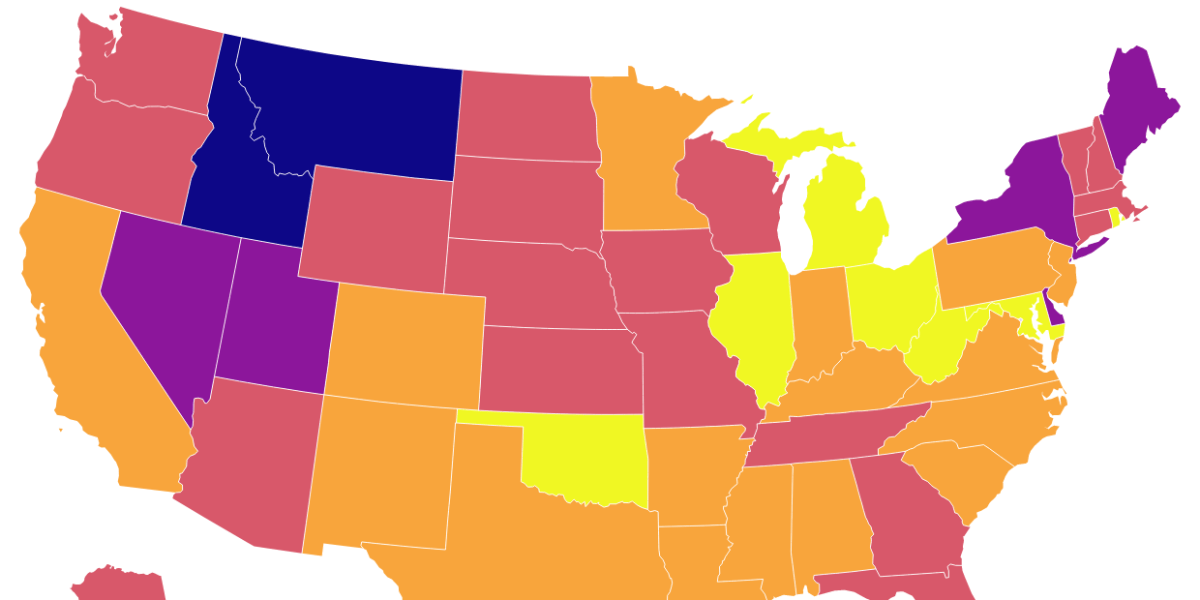
Freddie Mac reported that the average 30-year fixed mortgage rate reached 4.67% in early April 2022, a substantial increase from 3.11% in December 2021. By September 2022, rates had climbed above 6%, and more recently, have pushed past 7%. This rise means higher monthly payments for borrowers; for example, a $500,000 mortgage at 4.67% would cost $2,584 per month, compared to $2,138 at 3.11%, an increase of over $160,000 in total interest over 30 years.
While some analysts believe these higher rates will cool the market and potentially increase inventory without causing a full-scale crash, others, including researchers at the Federal Reserve Bank of Dallas, have noted signs of a brewing housing bubble. Economists at Redfin suggest that rising rates are shifting from motivating buyers to deterring them as costs exceed budgets, which should lead to slower home price growth.