Key facts
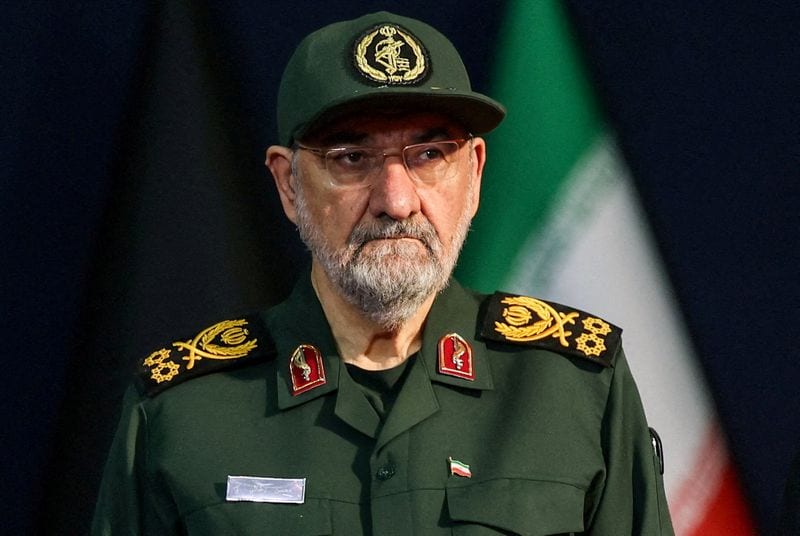
- Iran's Supreme Leader Mojtaba Khamenei appointed Mohsen Rezaei as the new secretary of the Supreme National Security Council.
- General Ali Abdollahi has been appointed as chief of staff of the armed forces.
- Brigadier General Ahmad Vahidi is the new Commander-in-Chief of the Islamic Revolutionary Guard Corps.
- The reshuffle follows speculation about the fate of former SNSC secretary Mohammad Baqer Zolqadr.
- Rezaei, a veteran IRGC commander, has a history of hardline rhetoric and past presidential runs.
Iran's Supreme Leader Mojtaba Khamenei has appointed Mohsen Rezaei as the new secretary of the Supreme National Security Council (SNSC), replacing Mohammad Baqer Zolqadr. This move, alongside other senior military appointments including General Ali Abdollahi as chief of staff of the armed forces and Brigadier General Ahmad Vahidi as IRGC Commander-in-Chief, comes amid heightened regional tensions and speculation about Iran's strategic direction.
Rezaei, a 71-year-old veteran commander of the Islamic Revolutionary Guards Corps (IRGC), has a history of hardline rhetoric and has run for president multiple times. His appointment has raised questions about the future course of Iran's security policy, particularly given his past controversial statements, such as suggesting Iran could collect billions of dollars by taking American hostages.
The reshuffle occurred after days of speculation regarding Zolqadr's position, with rumors of his resignation being rejected by President Masoud Pezeshkian, who formally chairs the SNSC. While the president heads the council, the secretary typically wields greater operational influence. Hardline media outlets have interpreted the change as vindication for those who opposed a previous diplomatic agreement, suggesting the leadership was not fully aligned with it.
Commentators have offered varied interpretations of the appointments. Some view it as a potential shift towards integrating national capacities, while others see it as a factional reshuffle. The complexity of Iran's power dynamics makes definitive interpretations difficult for external observers.