Key facts
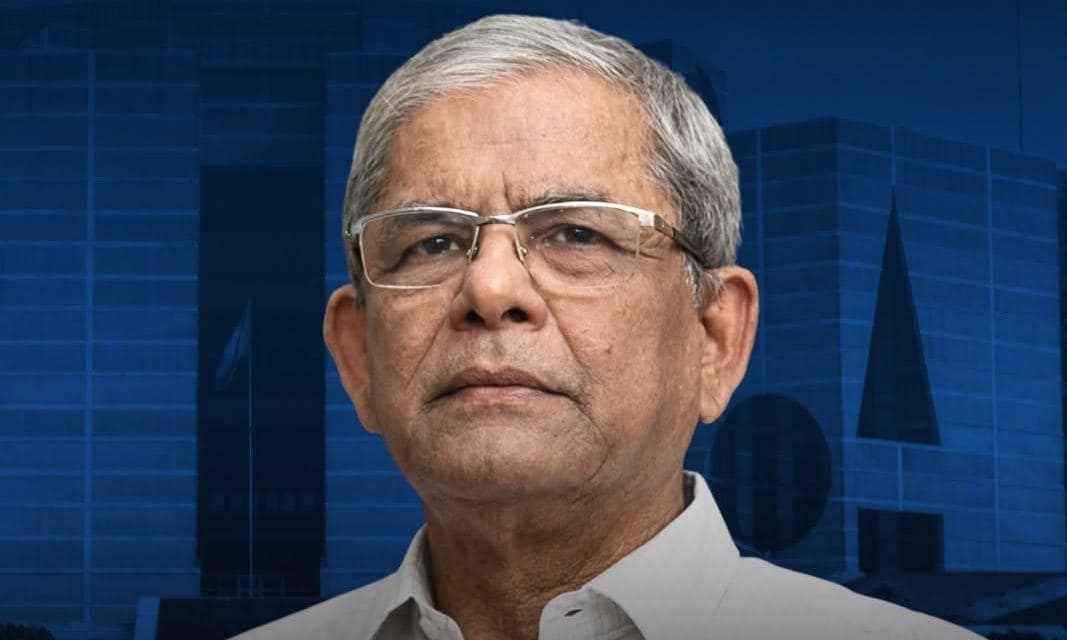
- Mirza Fakhrul Islam Alamgir has been elected as the new president of Bangladesh.
- Alamgir is a veteran leader and secretary general of the ruling Bangladesh Nationalist Party (BNP).
- This marks Bangladesh's first contested presidential election in 35 years.
- The previous president, Mohammed Shahabuddin, resigned due to health reasons.
- Alamgir expressed his commitment to serving the people even after assuming the presidency.
Mirza Fakhrul Islam Alamgir, a veteran leader of the ruling Bangladesh Nationalist Party (BNP), has been elected as the country's new president. The largely ceremonial position was secured by Alamgir following his party's landslide victory in the recent general elections, which marked a significant political transition in Bangladesh.
Alamgir, 78, who also serves as the BNP's secretary general, was expected to win the vote, making him the 23rd president of the nation of 170 million people. He expressed his gratitude for the opportunity, stating his intention to remain close to the people and serve them even after assuming the presidency.
The election follows the resignation of the previous president, Mohammed Shahabuddin, who stepped down in July citing health issues. Shahabuddin, an ally of former Prime Minister Sheikh Hasina, had been in office since 2023 and was expected to complete his term in 2028.
This presidential election is notable as it is the first contested one in Bangladesh in 35 years. Alamgir faced one other candidate, Oli Ahmed, who was nominated by an opposition alliance led by Jamaat-e-Islami. The nomination papers were submitted to the Election Commission, with voting scheduled for August 20.
Alamgir has a long political history, having been a key student leader during the 1969 uprising and later holding various ministerial posts. He rose to prominence as an opposition figure during Hasina's tenure, enduring multiple arrests on charges he maintained were politically motivated. His supporters have praised his role in organizing the BNP and maintaining its presence during challenging political periods.