Key facts
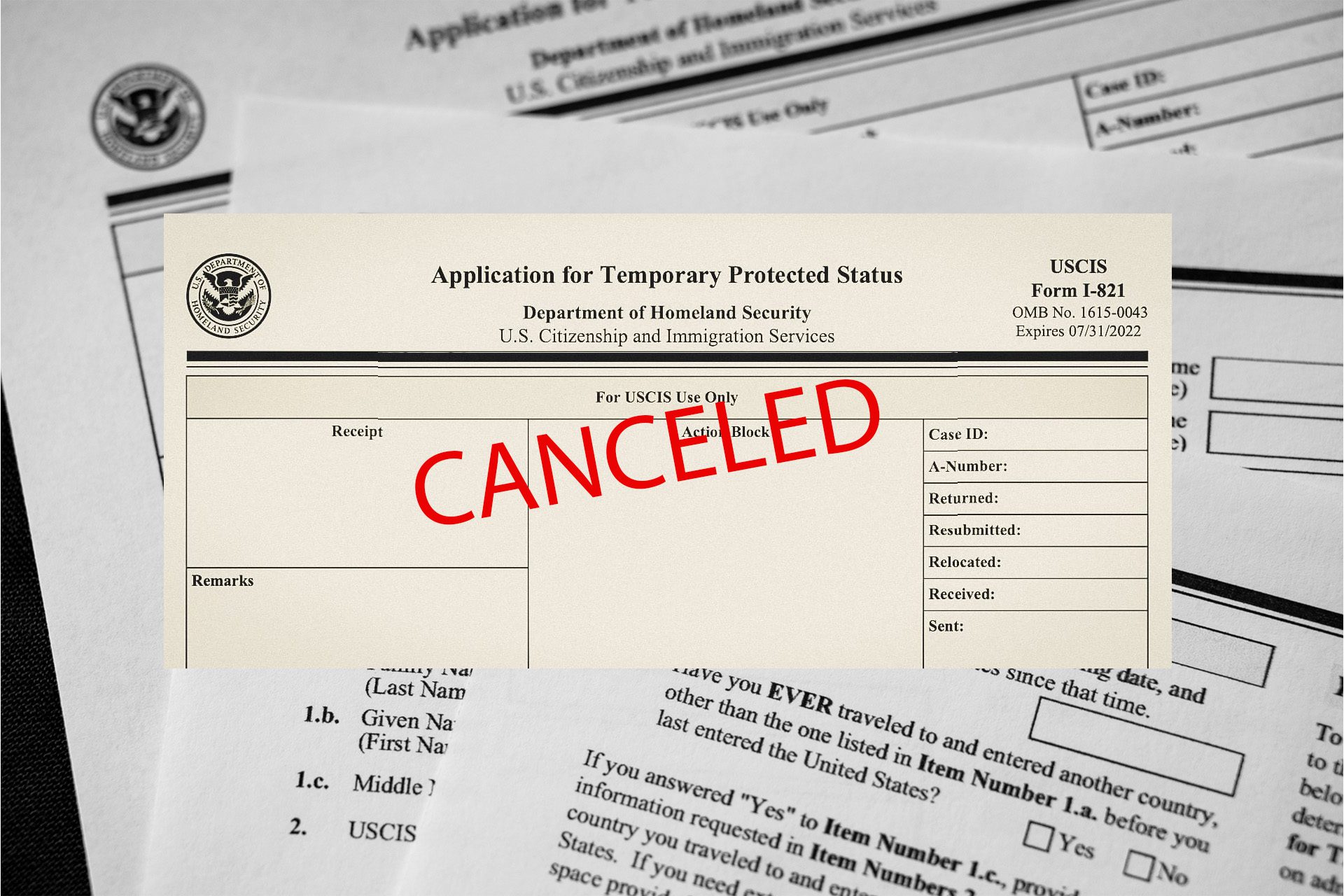
- Migrants on Temporary Protected Status (TPS) in the U.S. must apply for permanent residency or leave the country, according to Homeland Security Secretary Markwayne Mullin.
- Mullin stated the administration would assist those who do not secure permanent status in returning to their countries of origin.
- TPS provides protection from deportation but does not automatically grant lawful permanent resident status.
- Beneficiaries of TPS are permitted to apply for asylum or explore other pathways to obtain permanent residency.
- The Supreme Court decision is set to affect an estimated 350,000 Haitian and 6,000 Syrian immigrants.
Homeland Security Secretary Markwayne Mullin has stated that migrants in the U.S. under Temporary Protected Status (TPS) must either pursue permanent residency or make arrangements to return to their home countries. Mullin articulated this position during an interview on CNN's 'State of the Union,' emphasizing that individuals need to resolve their immigration status.
He indicated that the administration would assist those who do not secure permanent status in returning to their countries of origin, offering a plane ticket and approximately $2,100 for re-establishment. TPS provides protection from deportation for individuals from designated countries experiencing conflict or disaster, but it does not automatically grant lawful permanent resident status. However, TPS beneficiaries are permitted to apply for asylum or explore other pathways to obtain permanent residency.
The Supreme Court's decision on Thursday is set to affect an estimated 350,000 Haitian and 6,000 Syrian immigrants who now face Immigration and Customs Enforcement (ICE) detention or deportation as protections end. Haitian TPS holders and advocates have widely condemned the ruling, warning that it will disrupt the lives of thousands who have been living and working in the U.S. for decades. Republicans, including Ohio Governor Mike DeWine, have also criticized the ruling, citing the dire conditions in Haiti.
The use and termination of TPS designations have historically been influenced by differing immigration policies between presidential administrations. The Biden administration has expanded TPS to new countries and rescinded some previous terminations, while the Trump administration has focused on terminating or not renewing existing designations. Legal challenges have been filed against the termination of TPS for several countries, with some court rulings finding terminations unlawful.