Key facts
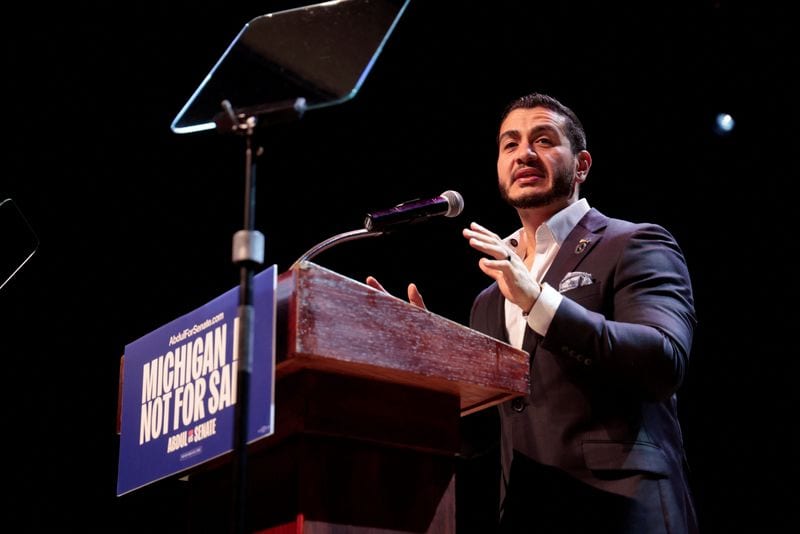
- Abdul El-Sayed won the Michigan Democratic Senate primary, defeating U.S. Representative Haley Stevens.
- El-Sayed's victory is a significant win for the progressive wing of the Democratic Party.
- El-Sayed campaigned on progressive policies including universal healthcare and halting military aid to Israel.
- Stevens was endorsed by Governor Gretchen Whitmer and received significant outside funding.
- El-Sayed will face Republican Mike Rogers in the general election for a seat crucial to Democratic Senate control.
Abdul El-Sayed has secured the Democratic nomination for the U.S. Senate in Michigan, defeating U.S. Representative Haley Stevens in a significant victory for the party's progressive wing. The race, which remained tight throughout Tuesday night, was called early Wednesday, with Stevens conceding to El-Sayed.
El-Sayed's win marks a notable shift for the Democratic Party, especially considering his substantial loss to Governor Gretchen Whitmer in the 2018 gubernatorial primary. His campaign focused on progressive policies such as 'Medicare for All,' halting military aid to Israel, and campaign finance reform. He garnered support from prominent progressive figures like Senator Bernie Sanders and Representative Alexandria Ocasio-Cortez.
Stevens, a more moderate candidate, received backing from Senate Minority Leader Chuck Schumer and substantial outside funding, including a record outlay from the American Israel Public Affairs Committee (AIPAC). Her campaign emphasized manufacturing and economic issues, positioning herself as the candidate best equipped to defeat Republican Mike Rogers in the general election.
Rogers, a former congressman, ran unopposed for the Republican nomination. The seat is considered crucial for Democrats aiming to gain control of the Senate. El-Sayed has called for party unity to face Rogers, acknowledging the challenge of bridging divisions within the Democratic base following a contentious primary. Millions of dollars were spent by outside groups in this race, highlighting its importance and the influence of big-money spending.