All NewsEducationTV
Equities & FundsCrypto & Digital AssetsAI & TechnologyBusiness & CorporateUS Politics & PolicyGeopolitics & Global RiskMacro, Rates & FXCommodities & EnergyEuropean Politics & MarketsAsia-PacificReal Estate & Property
All NewsHome
← Back to Commodities & Energy

Mexico Bets on Biofuel to Combat Sargassum Seaweed Crisis

Created at 15 Aug · 4:46 PM1 source↑ Market-relevant
IN SHORT

Mexico is exploring the conversion of vast amounts of sargassum seaweed washing ashore on its Caribbean coast into biofuel and other commercial products. The initiative aims to mitigate the significant economic and environmental impact of the seaweed, which has plagued the region for 15 years.

Key Numbers

15 yearsduration of Mexico's sargassum problem
9,000 tonsdaily seaweed washing ashore
$2 billionannual expenditure on sargassum management
11 per centlocal GDP impact of sargassum
$115 millionplan to combat surging sargassum
30 milescontainment barriers to be installed
2,200 metric tonnesdaily collection capacity
4,000 tonnestarget daily collection capacity by 2027
July 2025planned opening of Sargassum Centre

Who's Involved

Claudia Sheinbaum
President of Mexico announcing a plan to combat sargassum
Alicia Barcena
Mexico's Environment Minister discussing sargassum project potential
Inter-American Development Bank (IDB)
Studying sargassum's potential as an economic opportunity
Mexican Institute for Sustainable Fisheries and Aquaculture Research
Studying sargassum's potential as an economic opportunity
Technological Institute of Santo Domingo
Developed methods to produce energy from sargassum
Mexico Bets on Biofuel to Combat Sargassum Seaweed Crisis

↳ Why This Matters

Mexico's initiative to convert sargassum into biofuel and other products could offer a sustainable solution to a major environmental and economic crisis, potentially creating new revenue streams and protecting its crucial tourism industry.

Key facts

  • Mexico is developing a plan to convert sargassum seaweed into biofuel and other commercial products.
  • The Caribbean coast faces daily influxes of up to 9,000 tons of sargassum, costing $2 billion annually.
  • A new Sargassum Centre is planned for Quintana Roo to develop technologies for sargassum biodigestion.
  • Mexico is collaborating with Japan on ocean monitoring and specialized equipment for sargassum management.
  • Researchers are investigating sargassum's potential for use in fertilizers, building materials, and bioplastics.

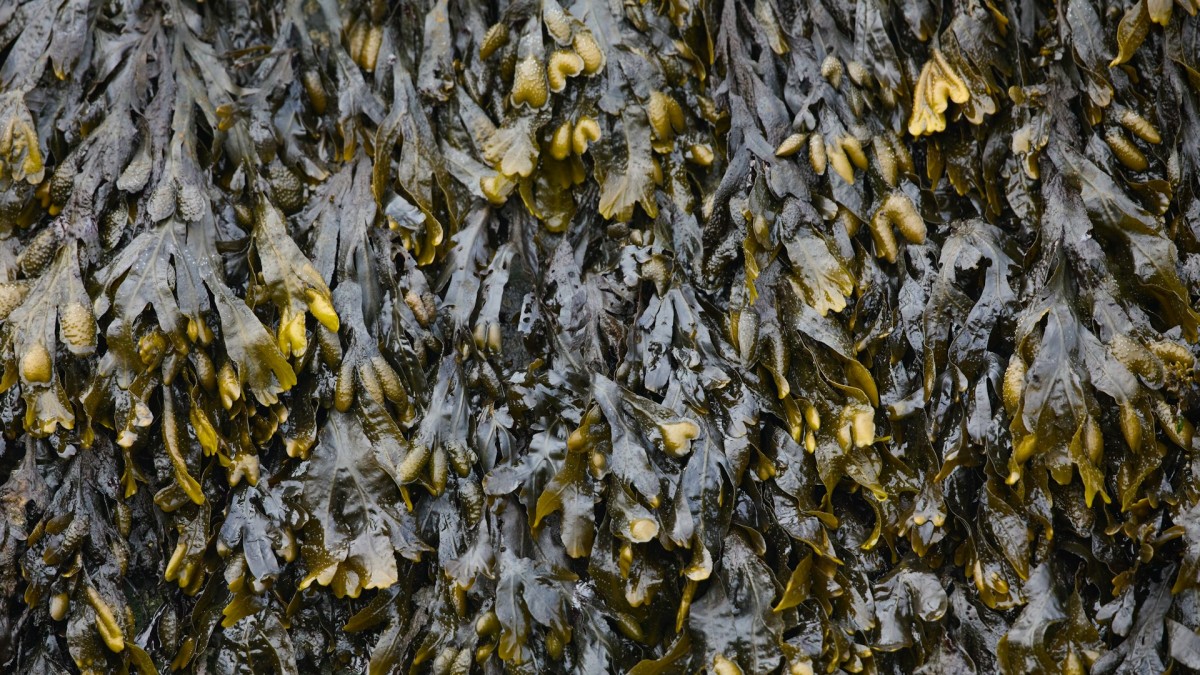
Mexico is intensifying efforts to address the persistent problem of sargassum seaweed inundating its Caribbean coast, a crisis that has severely impacted its vital tourism industry for the past 15 years. The government, under President Claudia Sheinbaum, has launched a $115 million initiative aimed at capturing the seaweed at sea and exploring its potential for commercial use, particularly as biofuel.

Each day, up to 9,000 tons of sargassum wash ashore, creating unpleasant odors, hindering beach access, and costing the region approximately $2 billion annually, equivalent to 11% of local GDP. To combat this, Mexico's navy will deploy ships and install containment barriers to trap the seaweed before it reaches popular tourist destinations like Cancun and Tulum. Current daily collection capacity stands at nearly 2,200 metric tonnes, with plans to increase this to 4,000 tonnes by 2027.

Mexico is also collaborating with Japan, which will provide advanced ocean-monitoring technology, robotics, and sensors. Beyond cleanup, a significant focus is on transforming the sargassum into valuable products. Researchers are investigating its potential for conversion into fertilizers, building materials, soap, and bioplastics. A dedicated Sargassum Centre is slated to open in Quintana Roo in July 2025, financed by a Dutch consortium, to develop biodigestion technologies for producing biomethane from sargassum and organic waste.

Studies by the Inter-American Development Bank and the Mexican Institute for Sustainable Fisheries and Aquaculture Research are assessing sargassum's economic viability, while institutions like the Technological Institute of Santo Domingo are developing methods to extract energy and separate harmful elements like arsenic. The chemical composition of the seaweed also suggests potential as an agricultural input. This shift aims to turn an environmental burden into an economic opportunity.

Frequently asked questions

Sargassum is a type of brown seaweed that forms large floating mats in the ocean. It has been washing ashore in massive quantities along Mexico's Caribbean coast for the past 15 years.

The seaweed crisis costs Mexico around $2 billion annually in cleanup efforts and significantly impacts its tourism industry, which is a major source of revenue for the region.

Mexico plans to deploy ships to capture seaweed at sea, install containment barriers, and is investing in research to convert sargassum into valuable products like biofuel, fertilizer, and building materials.

Mexico is collaborating with Japan for ocean-monitoring technology and specialized equipment, and a Dutch consortium will finance and operate a new Sargassum Centre.

What Happens Next

01Develop a new facility to monitor and manage sargassum and convert it to biofuel by July 2025.
02Increase daily sargassum collection capacity to 4,000 tonnes by 2027.
03Scale up industrial potential for at least 11 sargassum-related projects.
04Continue research into sargassum's use as fertilizer, building materials, and other commercial products.
CME Headlines
  • WTI Crude Oil futures drop as Middle East supply risks linger.
    18 Aug · 8:50 PM
  • WTI Crude Oil futures drop as Middle East supply risks linger.
    18 Aug · 8:50 PM
  • Copper futures drop to cycle lows ahead of FOMC minutes.
    18 Aug · 8:37 PM

How It Developed

Mexico has faced a severe sargassum seaweed problem for 15 years, impacting its Caribbean coast and tourism.
Up to 9,000 tons of sargassum wash ashore daily, costing around $2 billion annually for management.
President Claudia Sheinbaum announced a $115 million plan to combat sargassum, including ships to capture it at sea.
Mexico is partnering with Japan for ocean-monitoring technology and specialized equipment.
Researchers are exploring converting sargassum into products like fertilizer, biofuels, building materials, and soap.
A new Sargassum Centre will be developed in Quintana Roo to monitor, manage, and convert sargassum to biofuel.
Studies are underway to assess sargassum's potential as an economic opportunity, including for energy production and agricultural inputs.
Mexican government departments and universities are researching sargassum for use in organic construction materials.

Sources

T1
Mexico Is Betting on Biofuel to Tackle Its Seaweed CrisisOilPrice.com

Related Stories

Northwest Mexico fuel sales fall 13pc in June
18 Aug · 8:21 PM
Iran war energy crisis sparks Philippine solar boom
19 Aug · 3:21 AM
Iraq Approves Three-Month Crude Export Mechanism
18 Aug · 10:21 PM
Vietnam mandates E10 gasoline blending from January 2026
18 Aug · 2:36 PM
US Builds Energy Foothold in Iraq with New LNG Project
19 Aug · 12:26 AM