Key facts
- Novartis said it halted eight rap-cel CAR-T trials after three patients died from IEC-HS, a hyperinflammatory complication.
- Bristol Myers Squibb said it identified the cause of its safety issue and hopes to resume testing in 2027.
- About 150 trials are underway pursuing CAR-T for lupus, alongside studies in other autoimmune diseases.
- Georg Schett said he attributes the Novartis events in part to a compressed manufacturing process of fewer than two days.
- Saira Sheikh said high-grade inflammatory events in the Bristol Myers program were reversible with treatment.
- Brittan Kopittke, in remission about two years after treatment, said she would undergo CAR-T again.
Lupus patients with few remaining treatment options are seeking enrollment in experimental CAR-T therapies even after four deaths in clinical trials for autoimmune diseases, according to doctors who treat the condition, Reuters reported on November 11, 2026. The trials remain halted and full details of the deaths, three linked to Novartis and one to Bristol Myers Squibb, have not been released.
Systemic lupus erythematosus, or SLE, the most common and severe form of lupus, causes joint pain and raises the risk of stroke, heart attack and kidney disease. Current treatments range from steroids to immunosuppressants and targeted biologics and often fail to control the disease. Some 10% to 15% of people with lupus die prematurely, and SLE affects about 300,000 people in the US.
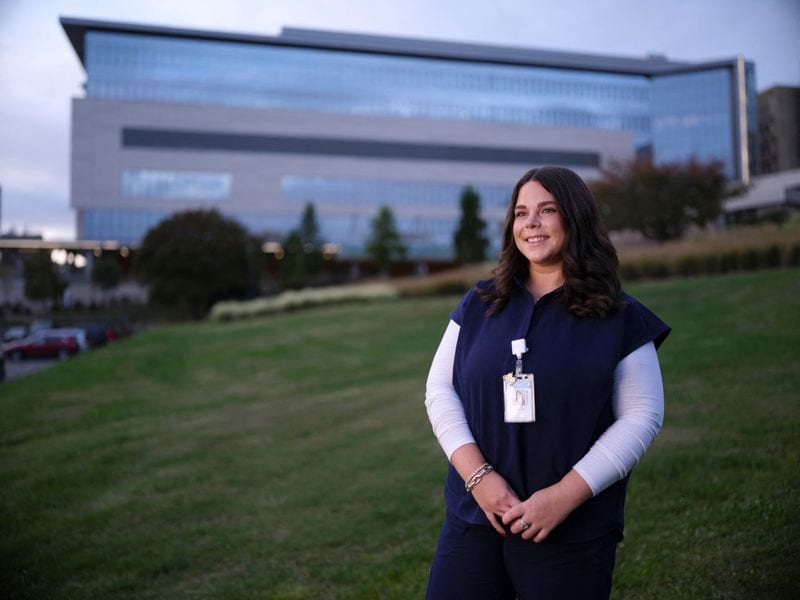
Anca Askanase, chief of rheumatology at the Hospital for Special Surgery in New York, who has enrolled patients in the Bristol Myers CAR-T trials, said: "I have patients that are literally waiting to get in." Brittan Kopittke, 27, who counsels patients considering CAR-T at the University of North Carolina, was diagnosed with lupus at 22. After steroids and hydroxychloroquine failed, she entered a CAR-T trial at UNC-Chapel Hill in June 2024 and developed cytokine release syndrome and the neurological complication ICANS, which left her unresponsive for three days. Now about two years into remission, she said she does not "sugarcoat" the risks but would do it again.
Novartis said in late August that it halted eight trials of its experimental rap-cel CAR-T therapy in autoimmune and neurological disorders after three patients died from a rare hyperinflammatory complication called IEC-HS. In an emailed statement the company said it is working with investigators and external academic experts to understand the root cause and will share findings "once the analysis is completed and the results can contribute to furthering patient care." Bristol paused enrollment in its CAR-T autoimmune trials, citing temporary inflammatory events, and on October 23 announced the death of a multiple sclerosis patient, saying it had identified the cause of the safety issue and hopes to resume testing in 2027.
Georg Schett of the University of Erlangen-Nuremberg, who in 2022 published a paper in the New England Journal of Medicine showing five lupus patients achieved remission with CAR-T, said the Novartis deaths have left doctors in the dark. He said the company needs to disclose what diseases the patients had, how well controlled they were and what emergency treatments they received. Schett said he and CAR-T inventor Carl June of the University of Pennsylvania have tried to piece together what happened for an article submitted to NEJM, and he attributes the hyperinflammatory events in part to Novartis' compressed manufacturing process, which cuts production time from more than 10 days to fewer than two. "We don't see that in other programs," he said.
Saira Sheikh of the University of North Carolina, Kopittke's doctor and chair of a network of nearly 70 lupus clinical trial centers, said high-grade inflammatory events in the Bristol Myers program were reversible with treatment. Cuoghi Edens, a rheumatologist at the University of Chicago Medicine, said her hospital has had success with a CAR-T therapy from Cabaletta Bio, which uses a more traditional manufacturing process and has begun testing patients as young as 12. Edens said she walked a 15-year-old through informed consent in late October. P.J. Utz, a Stanford Medicine autoimmunity researcher, said "billions and billions of dollars" are being invested in the field.