Key facts
- David Rizk said government counsel acknowledged new charges would have been brought at indictment if supporting evidence existed.
- Alfozan was indicted solely on the Wiretap Act count that was the subject of the original complaint, Rizk said.
- Rizk said discovery material so far does not show prosecutors investigated ties between Alfozan and the Saudi government.
- A judge ordered Alfozan jailed, citing flight risk because the Saudi government offered to pay his bond.
- Rizk said Alfozan offered to unlock his seized cellphone after prosecutors said an FBI facility power failure cut access.
- Rizk also asked the judge to modify an order restricting his use of AI while preparing the defense.
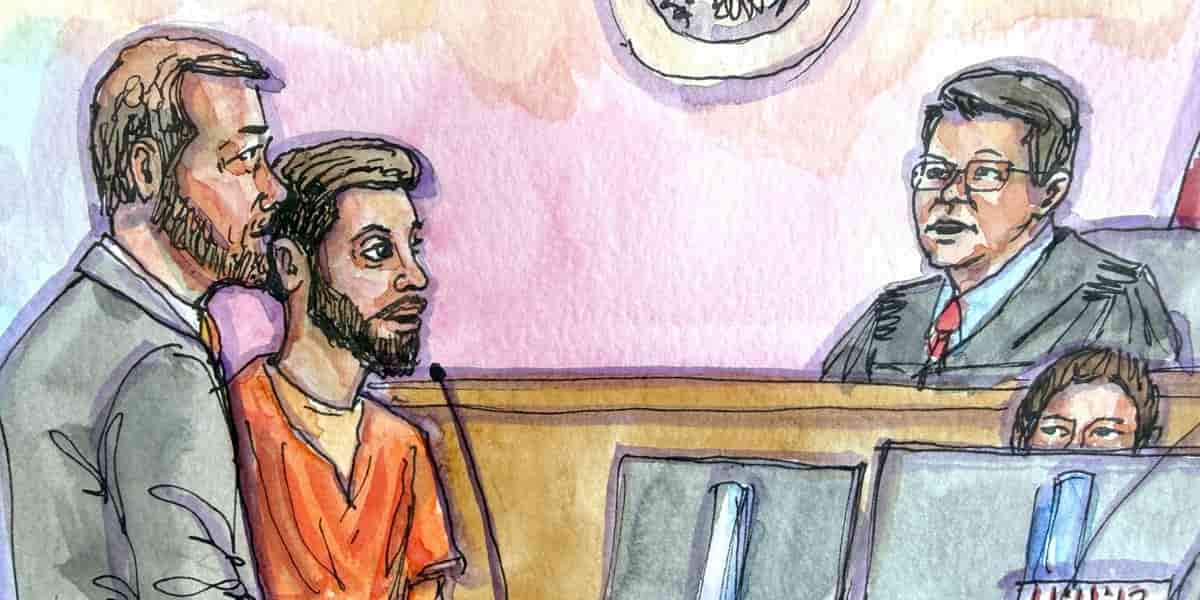
A lawyer for Abdulrahman Alfozan, the Saudi national accused of planting a listening device in OpenAI's San Francisco office, said in a court filing dated November 17, 2026 that Justice Department prosecutors have not found evidence supporting espionage charges. David Rizk said government counsel acknowledged that new charges would have been brought when Alfozan was indicted if such evidence existed, and that Alfozan was indicted solely on the Wiretap Act count that was the subject of the original complaint.
Federal prosecutors arrested Alfozan in October, accusing him of interception of oral communications. A grand jury indicted him later in October without adding more severe charges such as espionage or theft of trade secrets. Rizk said prosecutors stated in two meetings in November that no evidence emerged to bring additional charges. Alfozan has pleaded not guilty.
Rizk asked US District Judge Vince Chhabria, who is overseeing the case, to order the Justice Department to hand over additional information so the defense can formally request Alfozan's release from jail. A federal judge previously ordered Alfozan to remain in jail while awaiting trial, ruling there was a high risk he would flee because the Saudi government offered to pay his bond and because his wife and son had already flown to Saudi Arabia.
Photos included in the criminal complaint show a USB device plugged into the back of a conference room TV and wrapped in toilet paper, and what prosecutors said was a photo of Alfozan checking on the device a week after another OpenAI employee found it hidden there. According to Rizk, discovery material produced so far does not indicate prosecutors took steps to investigate ties between Alfozan and the government of Saudi Arabia.
Rizk also said Alfozan voluntarily offered to unlock his cellphone, which the Justice Department seized, after prosecutors said they lost access to it earlier in November because of a power failure at an FBI facility. In addition to seeking release, Rizk asked the judge to modify a previous order restricting his use of AI while he prepares his defense, writing that the US Attorney's Office should not police defense counsel's discovery practices. A spokesperson for the US Attorney's office in San Francisco did not immediately respond to a request for comment.