Key facts
- Lawmakers are threatening to withhold federal highway funding from states using Flock cameras.
- Concerns include civil liberties, mass surveillance, and potential misuse of footage for personal reasons.
- At least 100 instances of alleged abuse of Flock footage have been reported in the past eight years.
- Flock has increased its lobbying spending and hired additional firms.
- President Donald Trump has expressed support for Flock cameras.
- Some states have laws regarding automated license plate readers, but few limit usage types.
US lawmakers are leveraging the power of federal highway funding to pressure states into addressing concerns surrounding the use of Flock cameras, a type of automated license plate reader. The Department of Transportation allocates these funds based on factors like roadway mileage and usage. Congress has a history of using this funding leverage to enact national policies, such as establishing a minimum drinking age and DUI regulations.
A recent bipartisan bill aims to prohibit the use of federal funds for purchasing Flock cameras. This legislative push comes amid growing public and political scrutiny of emerging technologies, including AI and surveillance systems, which have become prominent topics in the lead-up to the US midterm elections. Flock has reportedly ramped up its lobbying efforts in Washington D.C., hiring a fifth firm to aid its advocacy.
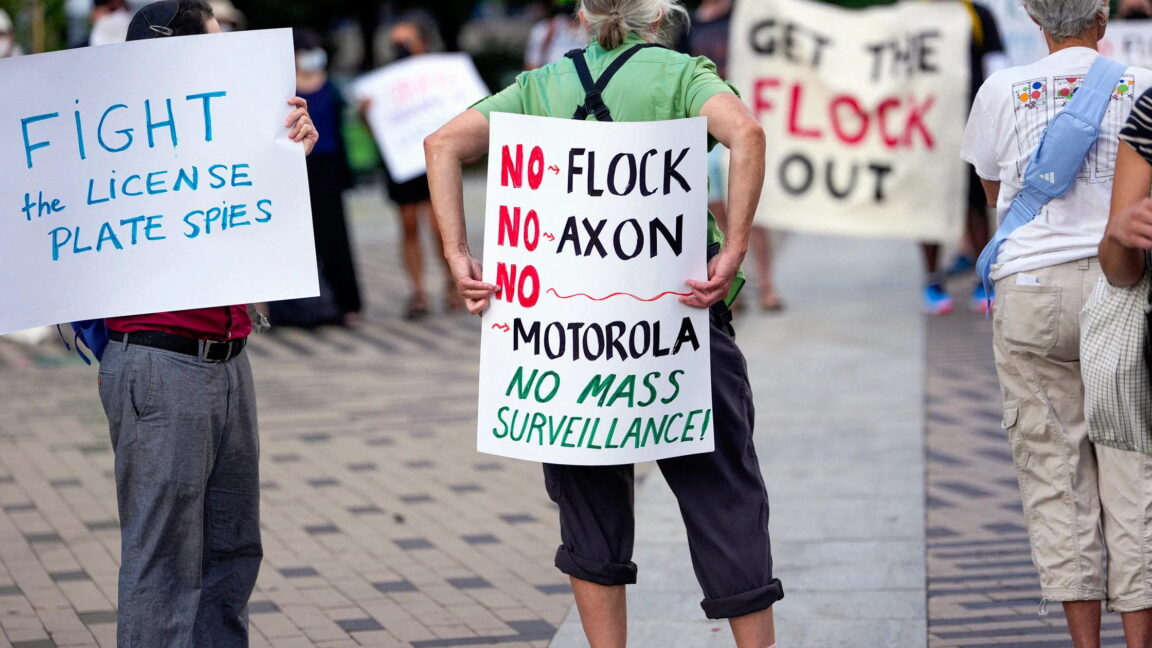
While President Donald Trump has voiced support for Flock cameras, citing their utility for law enforcement, many lawmakers are frustrated by documented instances of misuse. Reports indicate at least 100 cases over the past eight years where police officers allegedly used Flock footage for personal reasons, such as stalking. Critics argue that these cameras enable mass surveillance and infringe upon Fourth Amendment rights, with one lawmaker stating, "Taxpayers shouldn’t be forced to fund the shredding of their own civil liberties or the growth of a surveillance state."
While approximately 25 states and US territories have laws governing automated license plate readers, mandating transparency and prompt data deletion, these measures often fall short of limiting the types of uses, according to the New York University School of Law’s Policing Project. Lawmakers view the current bill as a crucial initial step toward curbing unchecked surveillance, asserting that public safety can be maintained without compromising citizens' privacy.