Key facts
- Katalyst Space Technologies launched its Link satellite on a Pegasus XL rocket.
- The mission aims to rescue NASA's Swift observatory by boosting its orbit.
- The launch took place from Kwajalein Atoll in the equatorial Pacific.
- It will take several weeks for the Link satellite to rendezvous with Swift.
- This is the first commercial mission of its kind to rescue an orbiting satellite.
- Swift is at risk of falling out of orbit by October if its altitude is not increased.
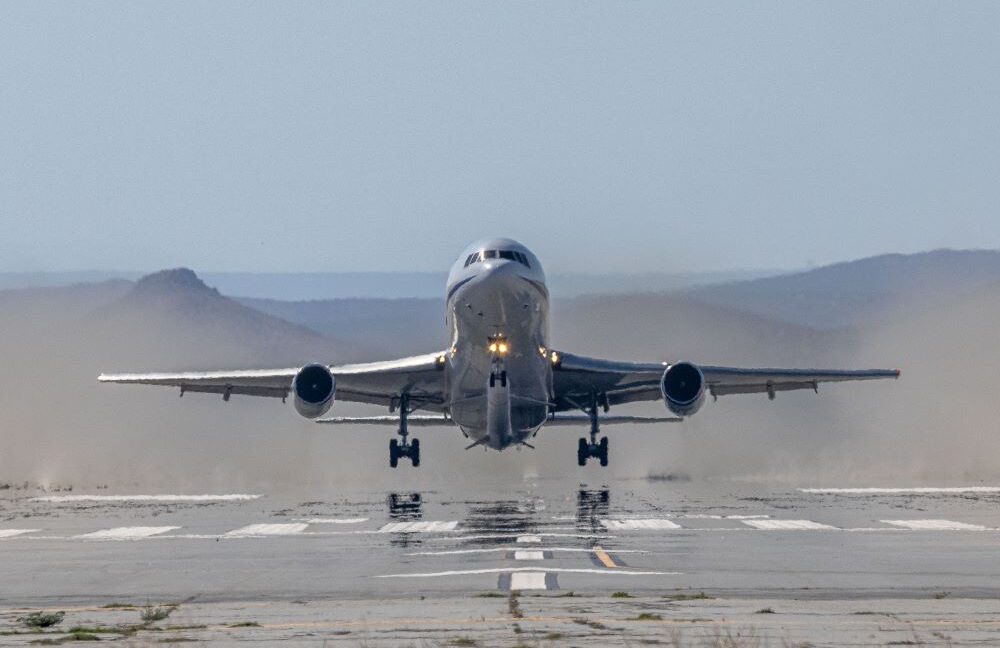
Katalyst Space Technologies has successfully launched its Link satellite into orbit, initiating a mission to rescue NASA's Swift observatory. The launch, conducted on a Northrop Grumman Pegasus XL rocket from the equatorial Pacific near Kwajalein Atoll, marks the first commercial attempt to save an aging satellite from falling out of orbit.
The Link spacecraft will now embark on a multi-week journey to rendezvous with the Swift observatory. Swift, a valuable asset for detecting gamma-ray bursts, is at risk of deorbiting by October due to increasing atmospheric drag if its altitude is not boosted. NASA awarded Katalyst a contract last September to develop and launch this unprecedented rescue mission, a feat achieved in less than a year.
Engineers are proceeding with caution due to Swift not being designed for orbital servicing. The Link satellite is equipped with cameras, sensors, and three robotic arms to capture the observatory. Once a secure connection is established, three plasma thrusters will propel both satellites to a higher, safer orbit. Katalyst will perform extensive system checks on Link before approaching Swift, surveying its condition, and executing the capture.
Katalyst selected the Pegasus XL rocket for its ability to launch into Swift's specific low-inclination orbit, a maneuver that would have been more complex and expensive from other spaceports. The mission's success hinges on precise navigation and the ability of Link's robotic arms to grapple Swift, despite uncertainties regarding Swift's external insulation and the lack of designed capture features. The endeavor is considered challenging and risky, but a successful robotic servicing mission could pave the way for broader applications in space.