Key facts
- Kai Tak Hospital begins phased operations on October 5.
- The Family Medicine Integrated Centre will offer about 250 clinic quotas daily.
- Specialist outpatient services from Queen Elizabeth Hospital will transfer to Kai Tak Hospital starting late October.
- Major services like inpatient, surgical, and A&E are expected in 2028.
- The hospital will serve 1.8 million residents across four districts.
- Kai Tak Hospital has a gross floor area of approximately 500,000 sq m and 2,400 beds.
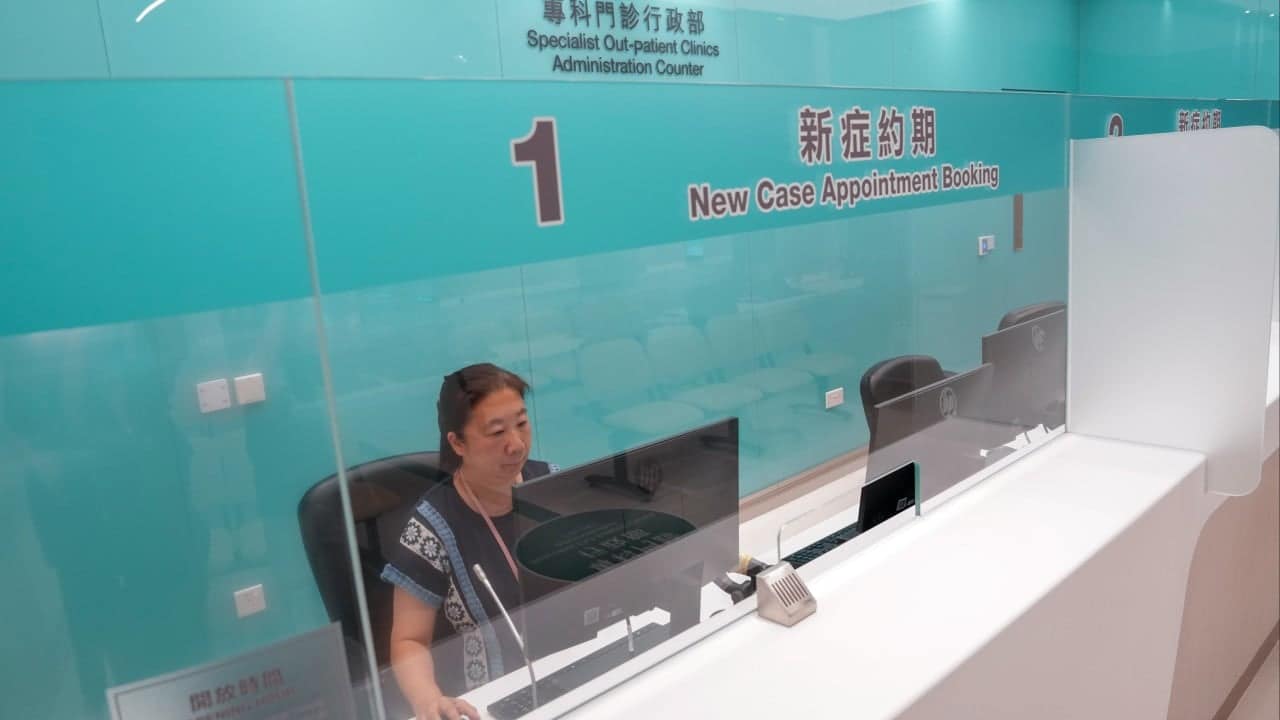
Kai Tak Hospital in Hong Kong is commencing its phased opening starting October 5, with initial services focusing on outpatient care. The Hospital Authority announced that the Family Medicine Integrated Centre, located on the first floor of the Specialist Out-patient Clinic Block, will be the first to open, offering approximately 250 family medicine clinic quotas per day. Patients can book appointments via the "HA Go" mobile application or a telephone system starting October 4.
The hospital's opening is divided into two phases. The first phase includes the Specialist Out-patient Clinic Block and the Oncology Block. Specialist outpatient services from the Departments of Medicine, Surgery, Neurosurgery, and Clinical Oncology at Queen Elizabeth Hospital will be gradually transferred to Kai Tak Hospital starting in late October. Allied health services, pharmacy, pathology, diagnostic and interventional radiology examinations, and day services for clinical oncology and obstetrics and gynaecology will also roll out progressively throughout October.
Kai Tak Hospital, the largest public hospital in Hong Kong and a flagship facility of the Kowloon Central Cluster, has a total gross floor area of approximately 500,000 square meters and will provide 2,400 beds. It is designed to serve a population of 1.8 million across the Yau Tsim Mong, Kowloon City, Wong Tai Sin, and Kwun Tong districts. The second phase, scheduled for 2028, will see the commencement of major clinical services, including in-patient, surgical, and accident and emergency services. Clinical services for remaining specialties like orthopaedics and traumatology, obstetrics and gynaecology, and paediatrics will also relocate upon the initiation of in-patient services.