Key facts
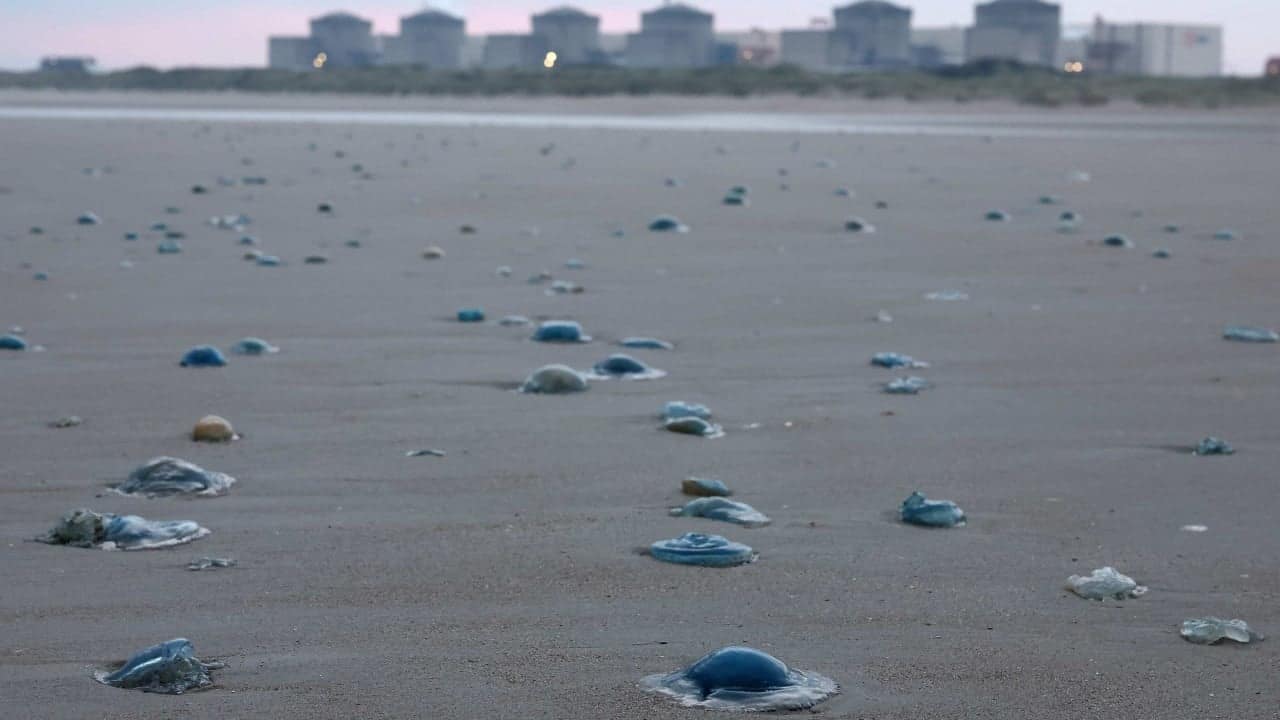
- Three reactors at France's Gravelines nuclear power plant were shut down due to a jellyfish swarm.
- The jellyfish blocked the plant's cooling water pumping systems.
- The incident reduced the plant's capacity by 67%, or 3.63GW.
- This is the second consecutive year the plant has experienced a jellyfish-related shutdown on August 11.
- Global sea surface temperatures are at record highs, contributing to increased jellyfish activity.
Utility EdF curtailed about 3.1GW, later increasing to 3.6GW, of France's 5.4GW Gravelines nuclear reactor capacity due to a massive influx of jellyfish. Units 3 and 4 were automatically shut down, followed by unit 2, and unit 1 was halved in capacity. Unit 6's capacity was also reduced. The curtailments, excluding the partial reduction at unit 6, equated to a 3.13GW or 58% reduction in total plant capacity, with the total reductions reaching 3.63GW or 67% of capacity. The curtailments at units 1 and 2 are scheduled to last until Wednesday at 23:00, while units 3 and 4 are set to return to the grid on August 16 and 19, respectively. User-reported jellyfish density at the Gravelines beach increased significantly. Global average sea surface temperature last month was the highest for any July on record. Curtailed output from France's nuclear reactors this summer is nearing 5TWh due to heat and drought, impacting 30% of the fleet since June 22. A year ago, EdF disconnected four units at Gravelines after finding jellyfish in filtering drums.