Key facts
- Japan Aerospace Exploration Agency successfully launched an H3 rocket on August 11.
- The rocket carried the Michibiki No. 7 positioning satellite.
- The satellite is part of Japan's Quasi-Zenith Satellite System.
- This is the second consecutive successful launch for the H3 rocket.
- A previous H3 launch in December failed to place a satellite into orbit.
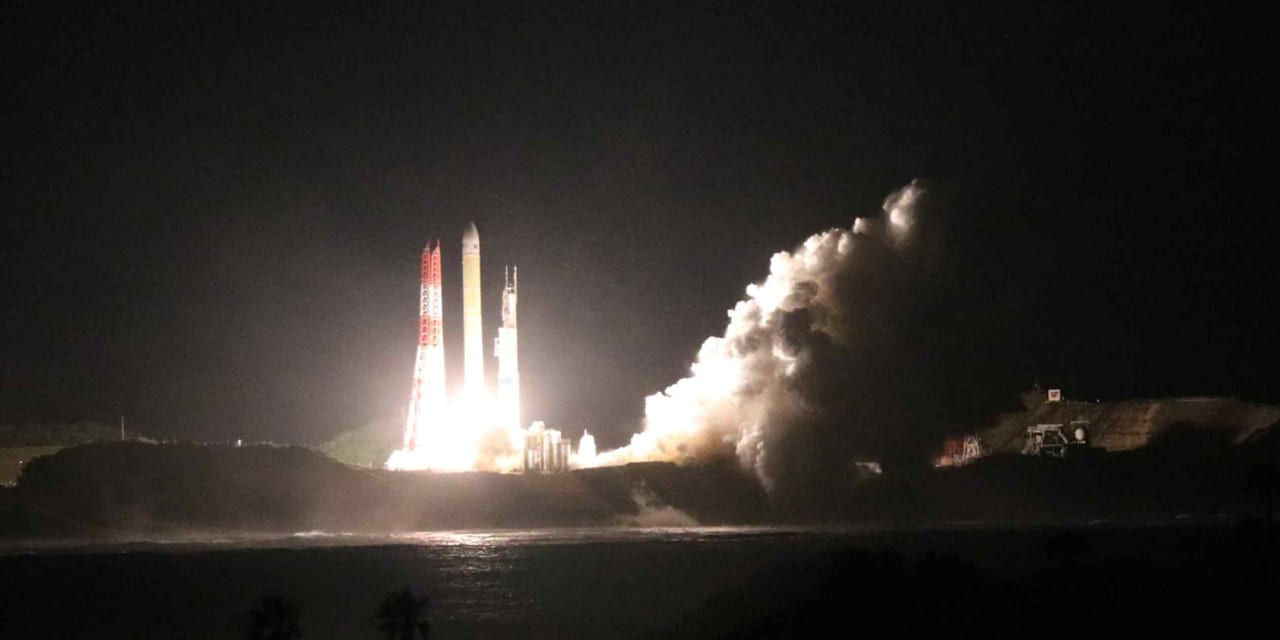
The Japan Aerospace Exploration Agency (JAXA) successfully launched an H3 rocket on Tuesday, August 11, carrying the Michibiki No. 7 positioning satellite. The satellite was successfully decoupled from the rocket as planned, marking the second consecutive successful launch for Japan's flagship rocket.
The H3 rocket lifted off from the Tanegashima Space Center in southwestern Japan. The Michibiki No. 7 is part of the Quasi-Zenith Satellite System, which provides location information for smartphones and vehicle navigation. This system aims to have seven satellites in orbit to ensure full service without external reliance.
This launch follows a failure in December when an H3 rocket carrying the Michibiki No. 5 satellite could not place it into orbit, which had delayed the launch of the No. 7 satellite. The H3 rocket is intended to replace the highly reliable H2A, which served as Japan's main launch vehicle for over two decades. Despite the recent success, the H3's track record has been mixed, with a previous failure in December followed by a successful launch in June that placed multiple miniature satellites into orbit.