Key facts
- Japanese Prime Minister Sanae Takaichi sent an offering to Yasukuni Shrine on August 15, 2026, but did not visit.
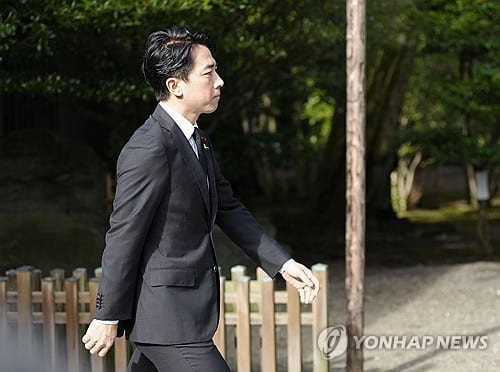
- Defense Minister Shinjiro Koizumi and party executives visited the shrine.
- Visits to Yasukuni Shrine, which honors war criminals, draw criticism from China and South Korea.
- Takaichi's address focused on Japan's contribution to peace and prosperity, omitting mention of wartime atrocities or apologies.
- Emperor Naruhito expressed hope for peace and reflection on past suffering.
Japanese Prime Minister Sanae Takaichi sent an offering to Tokyo's controversial Yasukuni Shrine on August 15, 2026, marking the 81st anniversary of Japan's surrender in World War II, but opted not to visit in person. This decision appears aimed at prioritizing diplomatic relations with China and South Korea, both of which have historically criticized such visits.
In her address, Takaichi mourned victims of war and thanked them for their sacrifice as the foundation of Japan's peace and prosperity. However, she did not mention Japan's wartime atrocities in Asia or offer an apology, instead stating that Japan has consistently contributed to global peace and will never let the tragedy of war be repeated.
Defense Minister Shinjiro Koizumi, another cabinet minister, and three executives from Takaichi's governing party did visit the shrine earlier on Saturday. Visits to Yasukuni, which also commemorates convicted war criminals, have consistently drawn criticism from China and South Korea, who view them as a sign of insufficient remorse over Japan's wartime actions.
China's Foreign Ministry protested the visits, urging Japan to conduct serious soul-searching on history and distance itself from militarism. South Korean President Lee Jae Myung emphasized the importance of Korea-Japan cooperation and resolving challenges illuminated by historical pain.
In contrast, Emperor Naruhito, in his address, expressed hope that the ravages of war would never be repeated, while reflecting on the past with deep remorse and emphasizing the passing down of memories of suffering.