Key facts
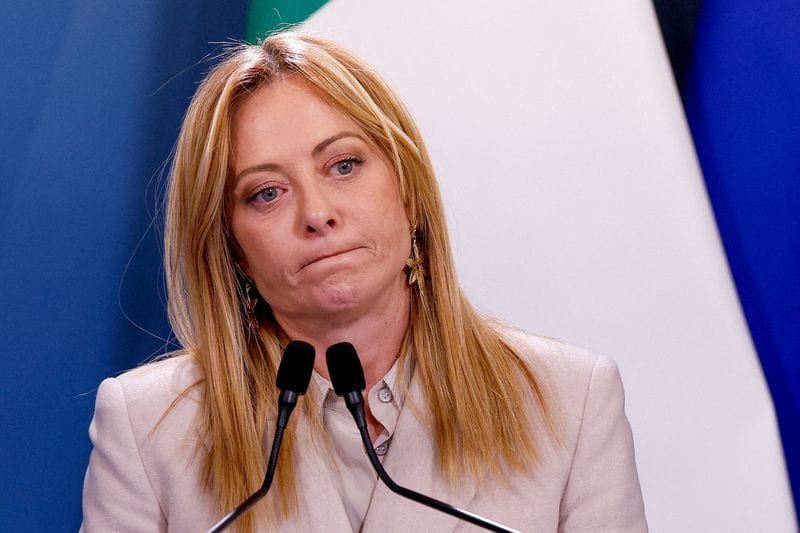
- Giorgia Meloni's government, in office since October 2022, will become Italy's longest-serving administration on September 4.
- Key reform initiatives, including judicial overhaul and direct election of the prime minister, have stalled or failed.
- Legislation on differentiated autonomy for regions faced constitutional challenges, leaving it in limbo.
- The government has implemented stricter immigration policies and enhanced security laws.
- Italy has seen 68 governments and 31 prime ministers since 1946, with an average cabinet tenure of 14 months.
Prime Minister Giorgia Meloni's government, which took office in October 2022, is set to become the longest-serving administration in the history of the Italian Republic on September 4. Despite this longevity, many of its flagship reform initiatives have encountered significant obstacles or failed to progress.
The government's attempt to revamp Italy's judiciary through a constitutional amendment was decisively rejected in a referendum in March. Similarly, the proposed reform to directly elect the prime minister, termed the "mother of all reforms" by Meloni, has not moved forward since initial Senate approval in June 2024, with critics warning it could destabilize the political system.
Legislation granting greater powers to regions, strongly advocated by the far-right League party, was approved in 2024 but subsequently had key provisions invalidated by the Constitutional Court, leaving its implementation in limbo. The government also pursued a tougher stance on immigration, tightening asylum and anti-smuggling rules, and establishing detention centers in Albania. However, the Albanian facility has faced legal challenges and is primarily functioning as a repatriation center rather than an offshore asylum processing system.
In contrast, Meloni's government has been active in security and law-and-order matters, introducing new legislation targeting illegal raves, wildfire arson, youth crime, and public order offenses. Tax policies have included reducing income tax bands and replacing the "Citizens' Income" welfare scheme with more restrictive benefits and work requirements, while also promoting digital payments to combat tax evasion.
Italy's political history is marked by frequent government changes, with 68 cabinets and 31 prime ministers formed since 1946. The average lifespan of a government is approximately 14 months, though Amintore Fanfani's first government in 1954 holds the record for brevity at just 22 days. Conversely, four governments have exceeded 1,000 days in office, including terms led by Silvio Berlusconi, Bettino Craxi, and Matteo Renzi. The country's proportional representation system and coalition dynamics have historically contributed to government instability, although underlying political direction has often remained consistent.