Key facts
- Herzog said he will announce on Sunday whom he will task with trying to form a government.
- Eisenkot secured a commanding number of recommendations from parties to replace Netanyahu, per the report.
- Neither Netanyahu's bloc nor Eisenkot's challengers won a Knesset majority in the October 27 election.
- The Joint List and the United Arab List recommended Eisenkot, according to the report.
- United Torah Judaism declined to recommend either leader, the report said.
- Herzog said the authority to decide who can form a government is his under law.
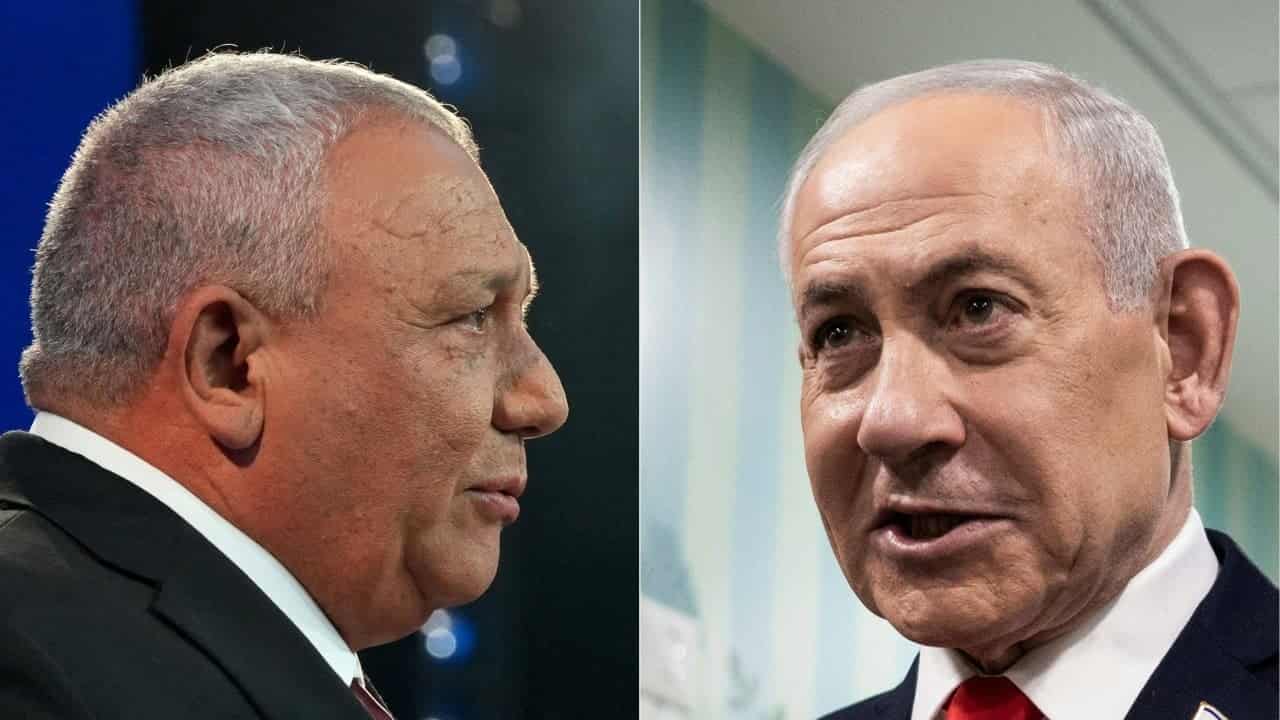
Israeli President Isaac Herzog said on November 6, 2026 that he will announce on Sunday whom he will task with trying to form a new government, after the opposition's Gadi Eisenkot secured a commanding number of recommendations to replace Prime Minister Benjamin Netanyahu.
Herzog held a second day of consultations with political parties on Thursday after the October 27 election, in which neither Netanyahu nor Eisenkot won a majority. Coalition governments are the norm in Israel, and Herzog has met representatives of each party to seek advice on who is best placed to begin negotiations.
Eisenkot's Yashar party, along with fellow change-camp parties Together, Yisrael Beiteinu and the Democrats, recommended the former general be given the first chance at forming a government, according to the report. Netanyahu's Likud, the far-right Otzma Yehudit and Religious Zionism parties, and the ultra-Orthodox Shas backed the incumbent. The other ultra-Orthodox party, United Torah Judaism, did not recommend either leader.
The two Arab-Israeli parties, the Joint List and the United Arab List, also recommended Eisenkot. United Arab List leader Mansour Abbas told Herzog during a meeting on Thursday: "We believe that it is possible to establish a new government that will serve all the citizens of the State of Israel."
Herzog said he would take the weekend to consider the issues. "The results of the consultations may appear clear, but the authority vested in me by law is to determine who has the ability to form a government, and that is not entirely clear, given the mutual vetoes between the blocs and within the blocs themselves," he said.