Key facts
- Many Iranians are finding hope by focusing on present-day choices and smaller aspirations.
- Economic challenges including sanctions, inflation, unemployment, and rising housing costs impact long-term planning.
- Some Iranians are redefining hope as the belief that their actions can still have meaning, regardless of the outcome.
- A race organizer faced legal proceedings for alleged violations of Iran's mandatory dress rules.
- The death of President Ebrahim Raisi and the election of Masoud Pezeshkian in 2024 were noted as potential shifts.
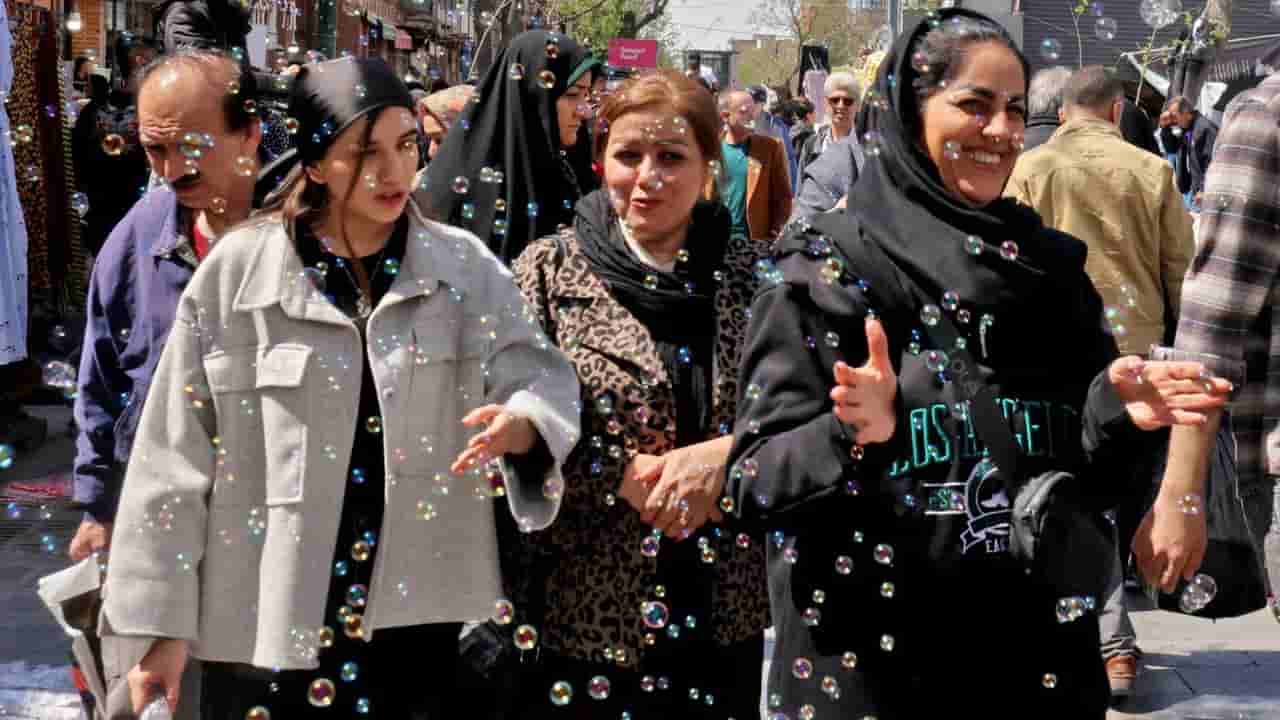
In Iran, individuals are navigating profound uncertainty stemming from economic pressures, political shifts, and regional conflicts by redefining hope and focusing on present-day actions and smaller, more attainable aspirations. Despite decades of sanctions, inflation, unemployment, and rising housing costs, many Iranians are finding ways to maintain a sense of purpose and build their lives.
A 10-kilometer race held in Tehran on September 18, which saw women running with uncovered hair, became a symbol of defiance and a national talking point, leading to legal proceedings against the organizers for violating mandatory dress rules. However, for participants like psychologist Fahimeh, the event represented a rare experience of energy and hope, defined not as a belief in a better tomorrow, but as a choice made today.
Journalist Hamed views hope as a person's last asset, noting that difficult economic conditions have shifted aspirations from major purchases like homes or cars to more modest goals such as buying a new phone, taking short trips, or visiting cafes. Similarly, dance instructor Maryam observes that people continue to attend her classes for pleasure, physical activity, and a break from daily pressures, viewing the acquisition of skills as a form of investment in their future.
Trader Reza is preparing for his wedding, a significant financial commitment, explaining it as an act of love and an investment in building an independent life. He acknowledges the unavoidable uncertainty but emphasizes the necessity of optimism and continuing to live. An environmental activist and writer, who remained anonymous, draws a distinction between hope and optimism, defining hope as the belief that one's actions have meaning regardless of the outcome, even amidst personal setbacks like job loss due to conflict.
At a government-organized mobilization event called Jan-Fada, one participant, Hamid, stated his motivation was defending Iran, his home, family, and children, rather than the government itself. The narrative highlights a shared desire for a stable life, including a home, a decent car, and university education for children, across different segments of Iranian society.