Key facts
- Pakistan, Turkey, and Egypt are experiencing economic strain from regional conflicts and simultaneous border tensions.
- Disruptions to shipping lanes near Hormuz and Bab al-Mandeb are increasing costs and impacting currencies.
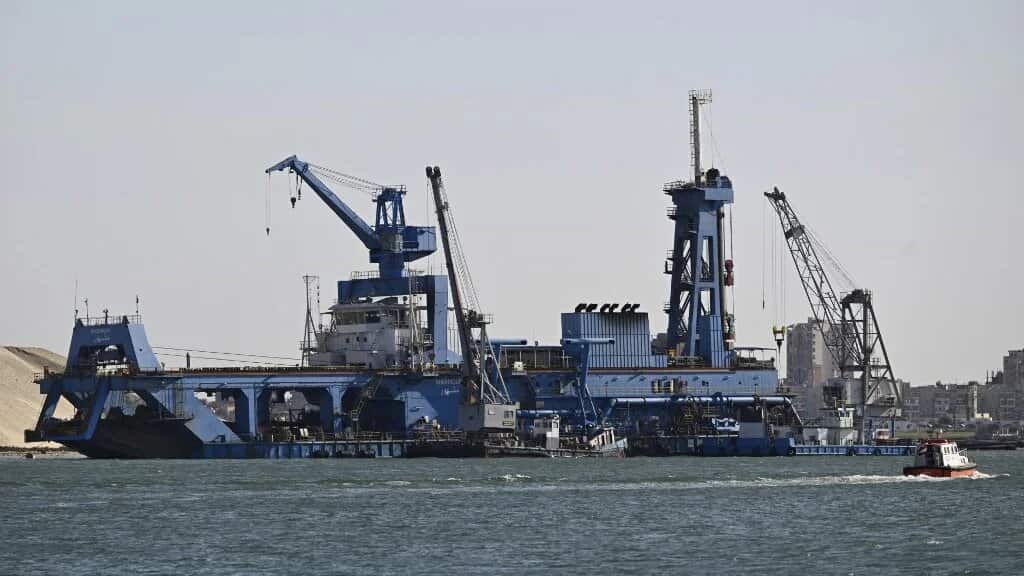
- Egypt's Suez Canal revenues have significantly decreased due to Houthi attacks.
- Pakistan faces border conflicts with Afghanistan and India, while also mediating over Iran.
- Turkey is dealing with rising inflation and an escalating dispute with Greece.
- Egypt is managing tensions with Israel over the Sinai and instability in Sudan and Libya.
The ongoing conflict involving Iran is creating significant economic and security challenges for Pakistan, Turkey, and Egypt, forcing them to manage pressures on multiple fronts simultaneously. These nations are grappling with the consequences of disrupted maritime trade routes, which are increasing fuel and food prices, while also contending with their own border disputes and regional instability.
The war has weaponized the region's shipping map. Tensions around the Strait of Hormuz and skirmishes near Bab al-Mandeb are forcing ships to reroute around the Cape of Good Hope, adding costs to fuel and goods. Insurers and shippers are pricing in these risks, particularly given Iran's leverage over Hormuz and the Houthi control over Bab al-Mandeb. For Egypt, this has led to a significant drop in revenue from the Suez Canal, a crucial source of foreign currency.
These economic shocks land on countries already facing pre-existing vulnerabilities. Pakistan's inflation had reached a record high, with critically low foreign reserves. Egypt's currency had already depreciated sharply, and Turkey's inflation was soaring. The current conflict reopens these economic wounds while these nations simultaneously manage their own security concerns.
Pakistan shares a long border with Iran and has been involved in mediating ceasefires while also dealing with active conflicts with Afghanistan and past escalations with India. Its economy remains fragile, with inflation creeping back up and a widening current account gap. Turkey, aiming to be a logistics hub, relies on open sea lanes, but faces rising inflation and an escalating dispute with Greece over maritime boundaries and its deepening ties with Israel.
Egypt's exposure is particularly direct, with its Suez Canal revenues plummeting. Beyond the maritime challenges, Egypt faces rising tensions with Israel concerning the Sinai Peninsula and instability in its southern and western neighbors, Sudan and Libya. The fragmentation of Libya and the civil war in Sudan add further layers of risk to the region, impacting energy costs and social stability in Egypt.
The compounding effect of these pressures—maritime insecurity and land-based border skirmishes—is pushing these already stretched states to their limits. Governments with deeper reserves may absorb some of the impact, but the costs are ultimately borne by workers, migrants, and communities living near tense borders.