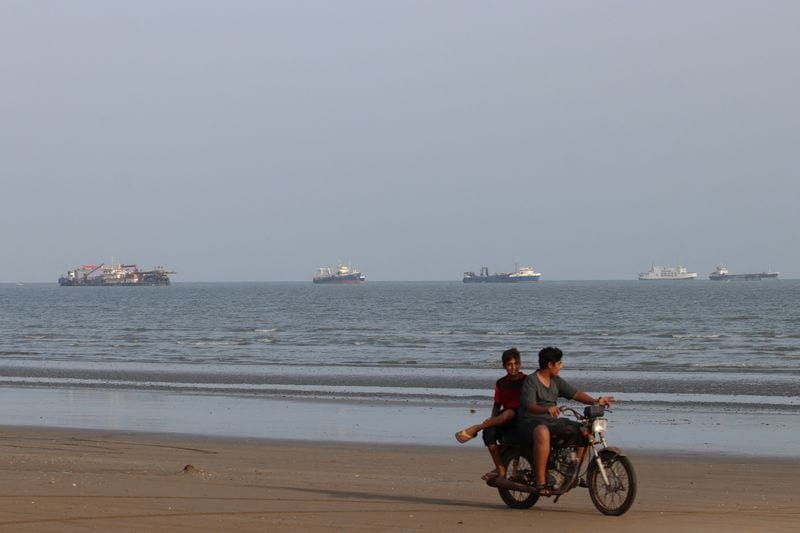
Key facts
- Iran's proposal to reopen the Strait of Hormuz within seven days is still on the table.
- Negotiations stalled over Iran's seven conditions, including lifting US sanctions and ending regional hostilities.
- US insists on addressing Iran's nuclear program from the outset.
- The Strait of Hormuz previously carried about a fifth of global oil and LNG trade.
Iran's Foreign Minister Abbas Araqchi stated on Sunday that the country's proposal to reopen the Strait of Hormuz within seven days to the United States remains on the table. Iran presented its proposal in mid-September after an interim ceasefire collapsed. Negotiations have reportedly stalled because Washington has not addressed all seven of Iran's conditions for reopening the vital waterway.
Araqchi indicated that if Washington accepts Tehran's conditions, which include lifting US sanctions on its ports and oil exports, as well as ending hostilities on all regional fronts, the strait could reopen within six days. A central point of contention is Washington's insistence on addressing Iran's nuclear program from the outset.
US Vice President JD Vance previously stated that Iran must make a "meaningful" reduction in its uranium enrichment capacity to satisfy US demands. Tehran argues that negotiations should initially focus on reopening the Strait of Hormuz, which before the recent conflict carried approximately one-fifth of the global trade in oil and liquefied natural gas.