Key facts
- Nearly 2,000 free meal kitchens in Indonesia were suspended for failing to register for hygiene checks.
- The National Nutrition Agency suspended 1,999 kitchens for not undergoing mandatory hygiene and sanitation certifications.
Indonesia's National Nutrition Agency has suspended 1,999 kitchens participating in its free meals program for failing to meet mandatory hygiene and sanitation certification requirements. The move comes amid ongoing concerns about food safety and recent mass food poisoning incidents linked to the program.
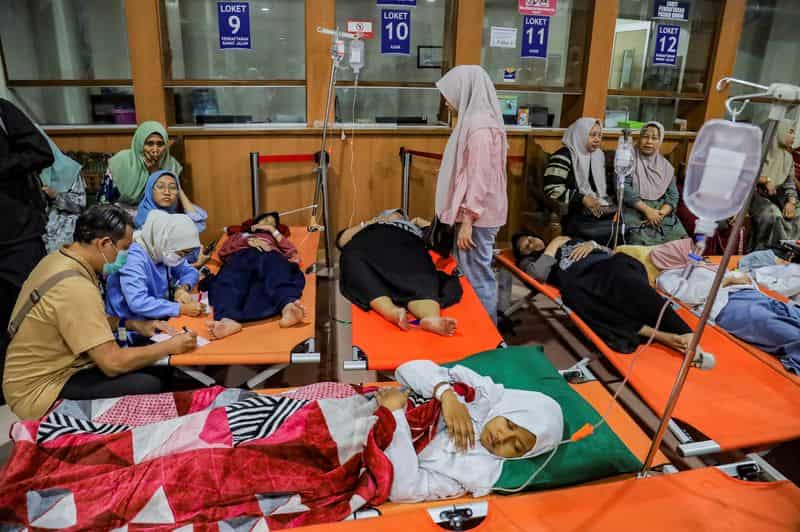
The suspension of nearly 2,000 kitchens highlights significant challenges in ensuring food safety for a major government welfare program, impacting public health and trust in President Prabowo Subianto's administration.
The Indonesian agency responsible for the country's free meals program has temporarily closed nearly 2,000 kitchens for failing to register for mandatory hygiene and sanitation certifications. Agency chief Sudaryono stated that 1,999 kitchens were suspended across Indonesia because they did not comply with health ministry requirements.
Currently, 27,022 kitchens are distributing free meals nationwide. Sudaryono emphasized that hygiene and sanitation certification is a mandatory requirement for all operating kitchens in the program, stressing that compliance is non-negotiable to ensure food quality and recipient safety.
President Prabowo Subianto's ambitious free meals program, launched in January of last year, has encountered numerous issues. These include allegations of corruption, leadership changes, and significant food poisoning outbreaks. Last week alone, over 2,000 students and teachers in several provinces became ill after consuming the provided meals, prompting the agency to promise a serious handling of the cases.
Charles Honoris, a lawmaker overseeing the program, cited health department data indicating that at least 50,000 people had been affected by food poisoning from the free meals by September 1. The agency has attributed the food poisoning incidents primarily to improper food storage and the late delivery of meals.
Pick the topics you care about. Get only what matters, on your cadence.