Key facts
- Basarnas said rescuers were searching for 34 missing workers after the November 21 fire in Banten province.
- The agency said human remains were collected in 24 body bags for forensic identification and gave no death toll.
- About 300 workers were inside the factory when the fire erupted, officials said, 63 of them in the hardest-hit area.
- Basarnas said 29 workers were rescued, five of whom were hospitalized.
- More than 500 rescue personnel, including soldiers, police, Red Cross staff and volunteers, joined the response.
- The factory produces Milkita candies and snacks exported to more than 40 countries, the report said.
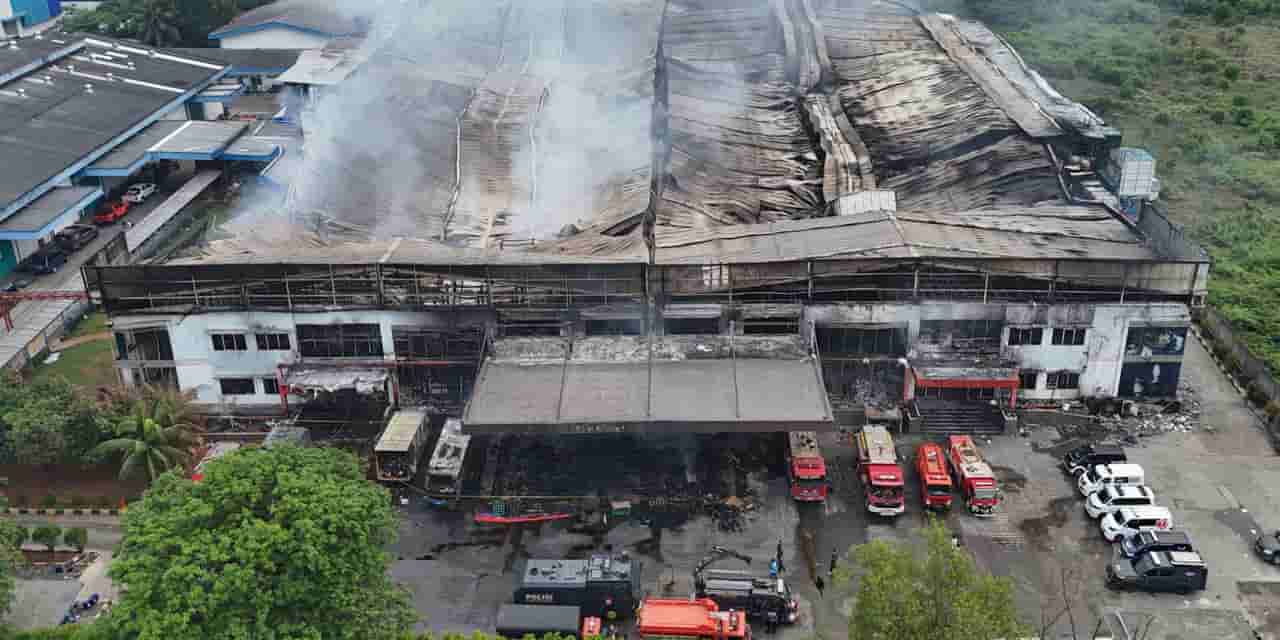
Indonesian rescuers searched on November 23, 2026 for 34 workers missing after a fire swept through a candy factory west of Jakarta. The fire broke out on November 21 at the PT Fonusa Agung Mulia factory in Banten province, and firefighters battled the flames for about 14 hours before largely containing the blaze in the three-story building.
About 300 workers were inside the factory when the fire erupted, officials said. Of those, 63 were believed to have been in the hardest-hit area, mostly on the second floor, where the flames originated from a cooling unit.
Indonesia's National Search and Rescue Agency, or Basarnas, did not immediately offer a death toll, but said it had collected human remains in 24 body bags for identification through forensic examination. Rescuers saved 29 workers, five of whom were hospitalized, and continued to search for the missing.
More than 500 rescue personnel, including soldiers, police, Indonesian Red Cross personnel and volunteers, joined the emergency response, according to Basarnas, to locate the victims within an area of about 2,000 square meters, while relatives awaited news.
The factory produces Milkita, an Indonesian brand of milk-based candies and snack products exported to more than 40 countries worldwide. Indonesia has experienced a series of deadly industrial fires in recent years, raising concerns about workplace safety standards and emergency preparedness at manufacturing facilities.