Key facts
- At least 5,200 deaths in Indonesia were linked to toxic smoke from forest and peatland fires in August and September.
- Particulate matter (PM2.5) levels in affected Indonesian areas routinely exceeded 500 micrograms per cubic meter, over 65 times the WHO safe limit.
- More than 333,000 Indonesians sought treatment for acute respiratory infections.
- Indonesia's fires released an estimated 175 million tonnes of carbon in 2026.
- Peat fires smolder underground, making them difficult to extinguish with conventional firefighting methods.
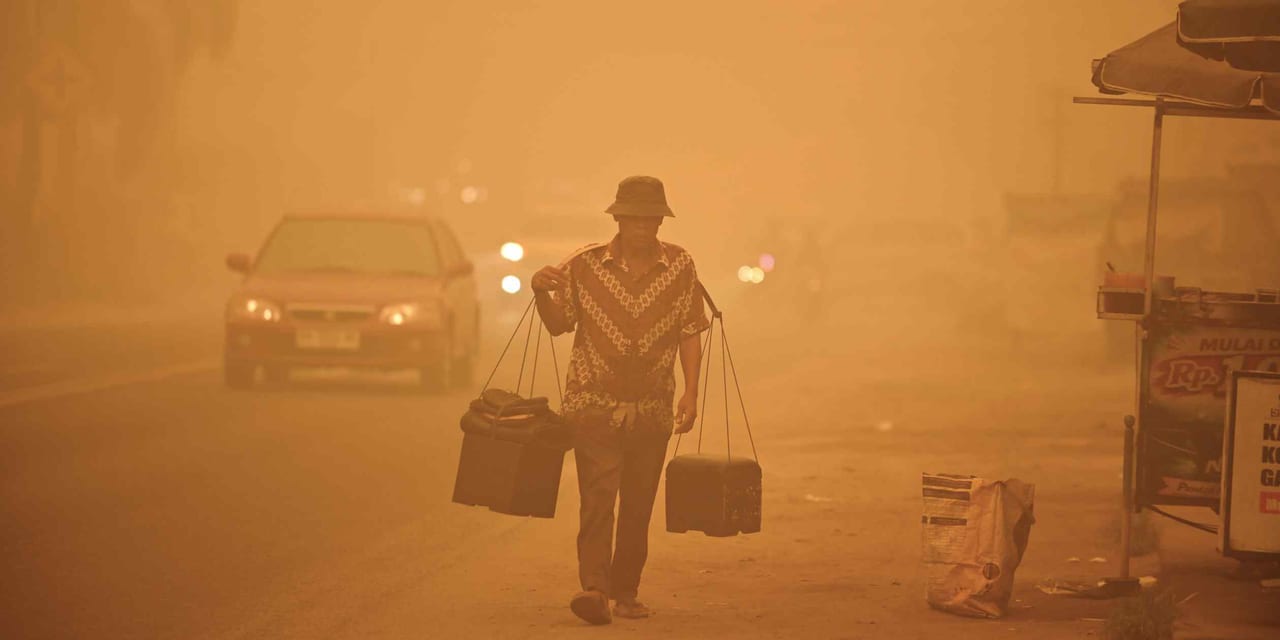
Prolonged exposure to toxic smoke from raging forest and peatland fires was responsible for at least 5,200 deaths in Indonesia during August and September, according to a study released on Thursday. Residents in Borneo and Sumatra suffered the most from the health crisis, which saw particulate matter (PM2.5) levels routinely exceed the World Health Organization's safe limit by more than 65 times. The fires, exacerbated by an intense El Niño and land management practices, released an estimated 175 million tonnes of carbon. Underground peat fires, burning deep within the soil, have proven particularly difficult to extinguish, contributing to the ongoing public health emergency affecting millions.