Key facts
- MSCI may exclude Indonesia from its global stock indexes.
- The potential exclusion cites opaque ownership and trading practices.
- A full exclusion would move Indonesia to standalone market status.
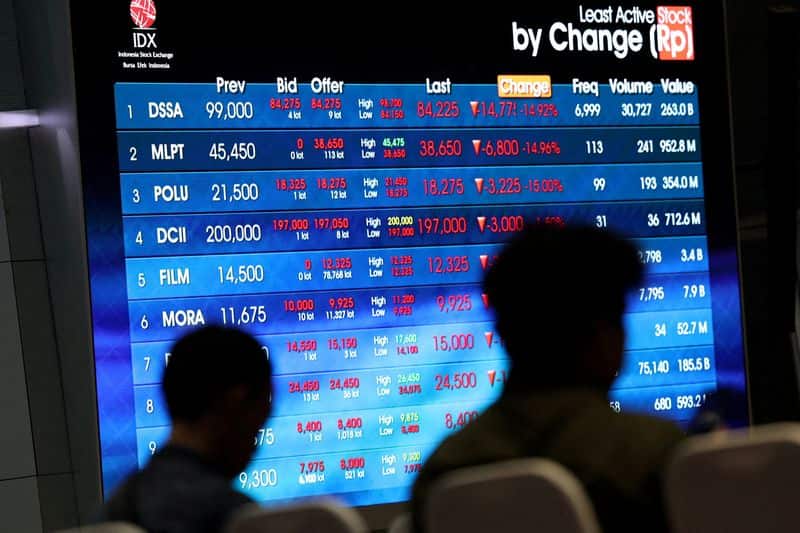
- The Jakarta Composite Index fell 11.6% on the news.
- Estimated passive outflows range from $3 billion to $6 billion.
MSCI has warned that it may exclude Indonesia from its global stock indexes, a move that could significantly cut the nation off from international capital and relegate it to standalone market status. The index provider cited opaque ownership, suspected coordinated trading, and inadequate enforcement as reasons for the potential exclusion. This proposal is a rare and harsh measure, with Argentina and Russia having faced similar exclusions in recent years. Indonesia has been an MSCI emerging market since 1989. The announcement on October 16 caused an 11.6% drop in the Jakarta Composite Index, wiping approximately $65 billion off the value of Indonesian equities. The rupiah also fell, and some analysts suggested a potential central bank interest rate hike to prevent capital outflows from spreading to the fixed income market. Banks estimate that passive investment funds could pull between $3 billion and $6 billion from Indonesia, with active investors potentially withdrawing an additional $15 billion. Indonesian authorities have been working to address MSCI's concerns, including tightening disclosure requirements and planning to raise minimum free floats. A final decision from MSCI is expected by June.