Key facts
- Indian households expect inflation to rise, with median expectations for the next three months increasing to 9.9% and one-year expectations climbing to 10.0%.
- The Reserve Bank of India's survey showed a rise in median inflation perception to 8.4% for the survey period.
- The central bank raised its benchmark repo rate by 25 basis points to 5.50% and shifted its policy stance to calibrated tightening.
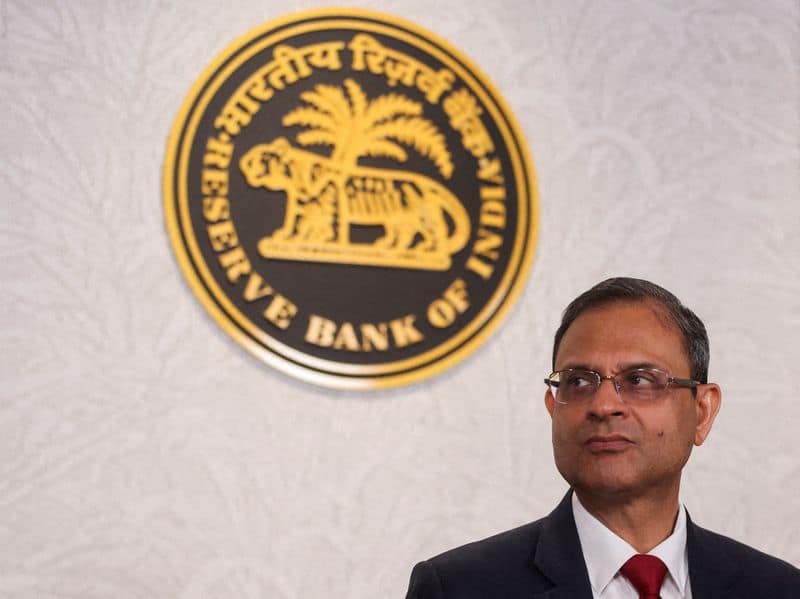
- RBI Governor Sanjay Malhotra stated that the banking system liquidity surplus is expected to be absorbed by the end of the financial year.
- Excess liquidity in the banking system can contribute to inflation and hinder the transmission of interest rate hikes.
Indian households are anticipating a rise in inflation, with expectations for the next three months increasing to 9.9% and one-year expectations climbing to 10.0%, according to a Reserve Bank of India (RBI) survey. The median inflation perception for the survey period rose to 8.4% from 7.8% in the previous round.
The survey, which involved 5,987 responses across 19 cities from September 10-20, indicated that rising food and fuel prices are impacting sentiment beyond headline inflation figures. The RBI noted that these surveys reflect sentiment and are not direct forecasts of actual inflation.
This comes as the RBI raised its benchmark repo rate by 25 basis points to 5.50% for the first time in nearly four years, shifting its policy stance to calibrated tightening to combat inflation. Governor Sanjay Malhotra stated that the banking system's liquidity surplus, which has averaged 7.3 trillion rupees ($75.49 billion) since September 1, is expected to be absorbed by the end of the financial year.
Malhotra explained that excess liquidity can contribute to inflation and hinder the transmission of interest rate hikes. He indicated that the surplus is not expected to last and will ebb due to factors like currency leakage, reserve requirements, and central bank operations such as variable rate reverse repos and open market bond sales. Madan Sabnavis, Chief Economist at Bank of Baroda, commented that the RBI's approach suggests a continuation of liquidity calibration through variable rate reverse repos, rather than a cash reserve ratio hike, which Malhotra identified as a less preferred method for removing cash.