Key facts
- India's budget deficit may exceed its target of 4.3% of GDP for the current fiscal year, potentially reaching 4.8%.
India is likely to miss its budget deficit target for the first time since 2021 due to soaring energy import costs stemming from the Middle East crisis. The deficit may widen to 4.8% of GDP, up from the 4.3% limit set earlier this year.
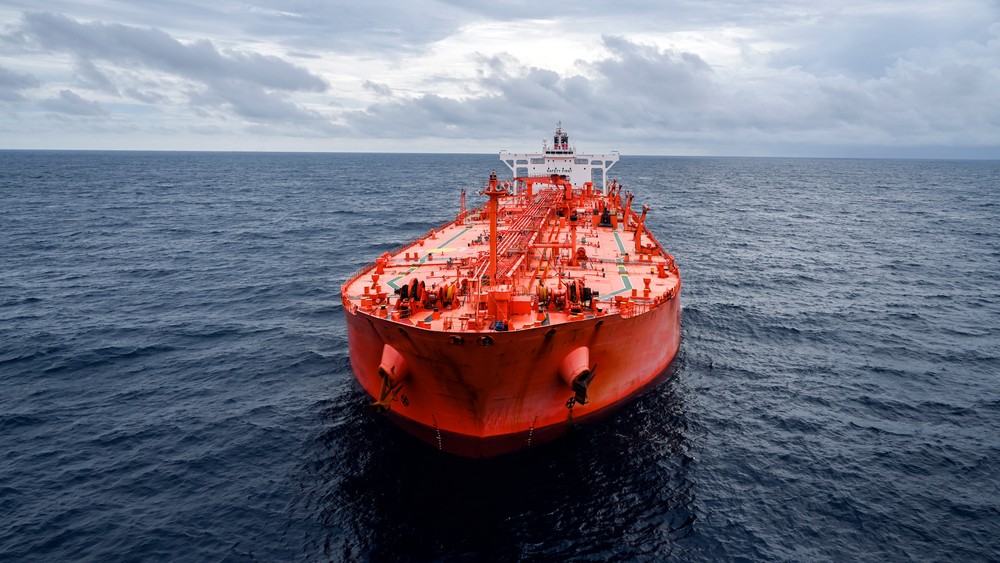
The potential miss on India's budget deficit target highlights the significant economic vulnerability to global energy shocks, impacting inflation, growth, and currency stability in the world's fastest-growing major economy.
India is facing the prospect of missing its budget deficit target for the first time since 2021, as the ongoing Middle East crisis and resulting oil supply shock are straining public finances. An official familiar with the matter told Bloomberg that the government is preparing to exceed the deficit limit set in February, potentially widening it to 4.8% of GDP from the planned 4.3% for the fiscal year ending March 2027. The Finance Ministry has communicated to major credit rating agencies that the fiscal deterioration is a consequence of external geopolitical pressures rather than a shift in fiscal policy. India, which imports over 85% of its oil, is grappling with the economic fallout of the worst oil supply disruption in history, with high prices threatening the nation's currency, economic growth, and inflation. To mitigate the impact, Indian refiners are actively diversifying their crude sources, increasing imports from Russia and seeking additional supply from Venezuela and Brazil to compensate for reduced Middle Eastern volumes. The Reserve Bank of India has acknowledged that while the economy remains resilient, the surge in oil prices presents near-term downside risks to growth and upside risks to inflation.
Pick the topics you care about. Get only what matters, on your cadence.