Key facts
- India has delayed plans to introduce a 0.4% fee on eligible merchant transactions exceeding ₹2,000 on its UPI network.
- The National Payments Corporation of India (NPCI) announced the postponement on Tuesday, citing retailer pushback and the festive shopping season.
- The fee was originally scheduled to roll out on October 15 and would have marked a departure from UPI's long-standing policy of being free for merchants.
- UPI processed 24.07 billion transactions worth ₹29.37 trillion in September.
- The NPCI plans to share the collected fees among UPI ecosystem participants to cover infrastructure, cybersecurity, and fraud prevention costs.
India's National Payments Corporation of India (NPCI) has delayed the introduction of a 0.4% fee on eligible merchant transactions exceeding ₹2,000 on its Unified Payments Interface (UPI) network, following significant opposition from retailers and other businesses. The rollout, initially planned for October 15, has been postponed until after the Diwali festival.
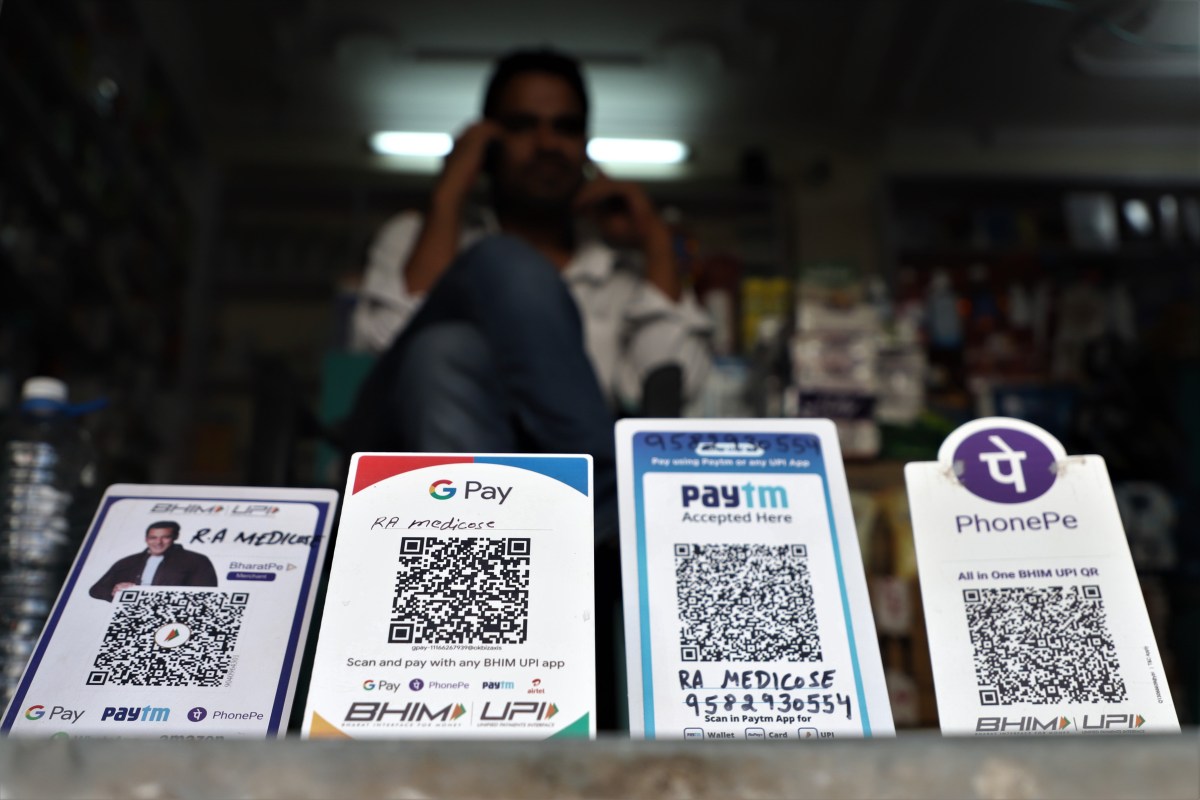
The proposed fee would have marked a significant shift from India's long-standing policy of keeping UPI payments free for merchants, a move that has been instrumental in the platform's rapid growth. In September alone, UPI processed 24.07 billion transactions valued at ₹29.37 trillion.
Retailers and petrol pump operators had warned they might stop accepting UPI payments if the fee was implemented. The NPCI stated that the collected fees would be distributed among UPI ecosystem participants to help cover costs related to infrastructure, cybersecurity, and fraud prevention. The annual cost of running UPI is estimated at ₹200 billion, according to industry estimates cited by NPCI.
UPI, which has become a backbone of India's digital payment system, was not always free for merchants. Fees were previously charged by banks and payment providers before the Indian government removed them in January 2020 to encourage a transition away from cash. The NPCI had attempted to mitigate the impact of the new fee by exempting smaller transactions and merchants, and by capping the fee for larger payments.