Key facts
- India's Supreme Court ordered the release of minors arrested during recent youth protests.
- Authorities must preserve all digital and personal data of participants in the demonstrations.
- The court barred any coercive action against the protesters.
- The ruling came in response to petitions alleging police brutality and excessive force.
- The government defended police actions as lawful crowd control.
- The protests were triggered by leaks of a national medical college entrance exam.
India's Supreme Court has ordered the release of individuals under 18 arrested during recent youth protests over exam leaks and directed authorities to preserve all surveillance data, while also barring any coercive action against demonstrators. The court's interim measures respond to petitions alleging police brutality and excessive force, including the use of pellet guns, during the weeks-long demonstrations across the country.
Chief Justice Surya Kant emphasized the need for a fair investigation into any excesses committed against protesters. The government, represented by Solicitor General Tushar Mehta, defended the police's actions as lawful crowd control, though Mehta acknowledged the seriousness of student attacks and noted that approximately 250 police officers were also injured. The protests concluded after the education minister resigned and the government agreed to demands for exam reforms and compensation for students who died by suicide.
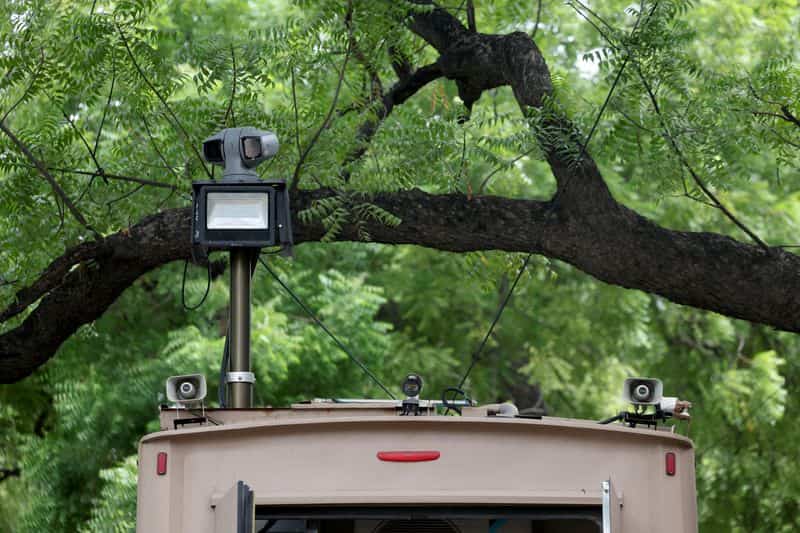
Activists have challenged the government's use of AI-powered surveillance, including mobile vans equipped with cameras offering a 360-degree view, arguing that India lacks specific laws for police use of facial recognition technology and that such surveillance violates existing privacy rights. The government maintains the surveillance was necessary for law and order, a stance that aligns with broader concerns about expanded surveillance powers under Prime Minister Narendra Modi's administration. The court's directive to preserve data and prevent its public release aims to protect protesters' privacy.