Key facts
- IEA Chief Fatih Birol urged the EU to reconsider its ban on Arctic drilling.
- Birol warned of dire consequences if the Strait of Hormuz is blocked.
- He stated Europe's low electrification rate is a "major mistake" hindering economic sovereignty.
- Birol advocated for increased domestic energy production and affordable electricity prices.
- Outdated grid infrastructure is identified as a barrier to EU electrification efforts.
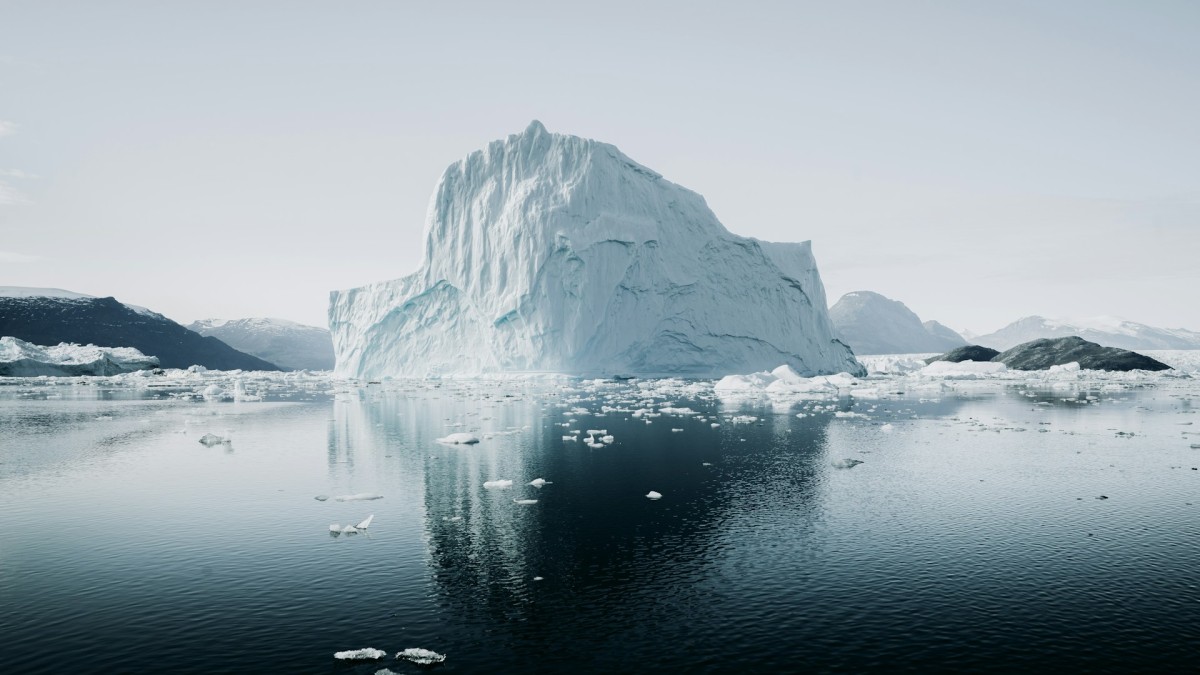
International Energy Agency (IEA) Executive Director Fatih Birol has urged the European Union to reconsider its ban on Arctic drilling, emphasizing the critical need for energy security. Birol warned that Europe's continued dependence on imported fossil fuels poses a significant threat to its economy, particularly in light of potential disruptions to key transit routes like the Strait of Hormuz, through which 20 percent of the world's oil and gas flows.
Birol stated that Europe has made a "major mistake" by failing to end its reliance on imported fossil fuels quickly enough, citing an electrification rate of roughly 23 percent as a hindrance to competitiveness and economic "sovereignty." He advocated for Europe to electrify its economy faster, seeking to emulate countries like China, Japan, and South Korea, which have electrification rates exceeding 30 percent. Birol also highlighted that ongoing issues with grid capacity are holding back the EU's electrification push, with congestion problems at both regional and national levels.
He stressed that for electrification to be successful, electricity prices must become affordable for consumers and industries, noting that electricity is currently two to three times more expensive than gas in many EU countries. Birol also highlighted the importance of domestic energy production, suggesting that Europe should aim to produce as much energy as possible within its borders. The IEA chief's remarks come as energy ministers consider new domestic oil and gas drilling, with Norway, the EU's largest gas supplier, arguing for the necessity of Arctic exploration for energy security.