Key facts
- The Laurentide Ice Sheet started to re-expand about 2,000 years ago.
- Human-caused climate warming reversed this expansion around 1960.
- Barnes Ice Cap is the last remnant of the Laurentide Ice Sheet.
- The ice sheet reached its smallest size about 3,600 years ago.
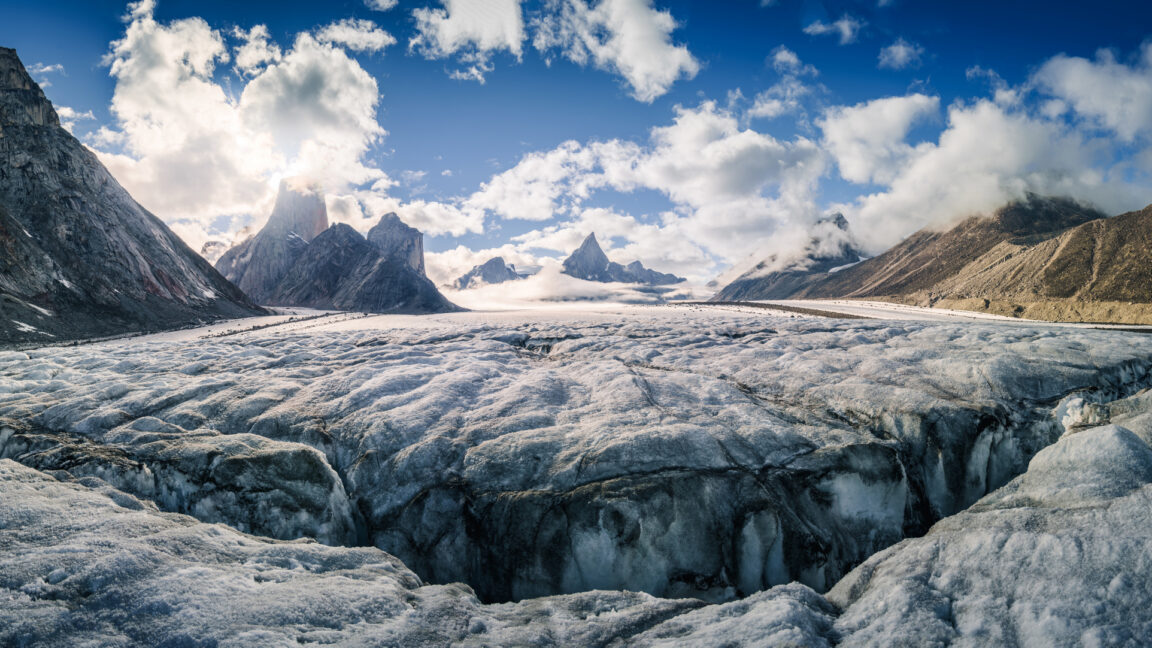
Researchers have found direct physical evidence suggesting that ice sheets may have begun to grow again thousands of years ago, potentially signaling the start of a new ice age. A study published in Science indicates that the Laurentide Ice Sheet, which once covered most of Canada, reached its smallest size about 3,600 years ago and then started to re-expand roughly 2,000 years ago. This natural re-expansion was ultimately reversed around 1960 by human-caused climate warming, according to lead author Nicolás Young, a geologist at Columbia University’s Lamont-Doherty Earth Observatory. The Barnes Ice Cap on Baffin Island, the last remnant of the Laurentide, provided this evidence because it is cold-based and frozen to the bedrock, preserving ancient plant life that was smothered by the advancing ice.