Key facts
- ICE acting director David Venturella disputed AP reporting on the agency's body-worn camera footage release policy.
- ICE will equip every officer and agent in the field with body-worn cameras by the end of August.
- The policy permits expedited footage release when appropriate after a serious injury or death of someone in custody, but can withhold footage if it compromises investigations or privacy.
- Venturella stated the policy aims to protect ongoing investigations and individual privacy.
- The ICE policy was adopted in February 2025.
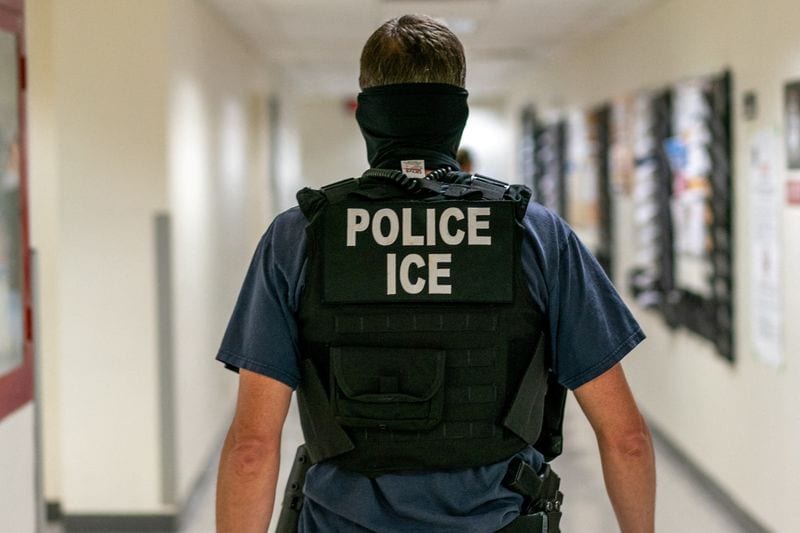
U.S. Immigration and Customs Enforcement will complete its rollout of body cameras to officers and agents by the end of August, ahead of the agency's original schedule, Acting Director David Venturella said.
Venturella disputed reporting by The Associated Press concerning the agency's policy on releasing body-worn camera footage. The AP reported that ICE's policy allows for the release of such footage only when the agency determines it is in its "best interests." Venturella stated that the policy is designed to prevent the compromise of investigations or privacy, asserting that this approach aligns with policies of other federal law enforcement agencies and complies with the Freedom of Information Act and the Privacy Act.
The ICE policy, adopted in February 2025, mandates the release of footage in the immediate aftermath of a serious injury or death in custody, ideally within 72 hours, provided it serves the agency's interests. Venturella accused the AP of misinterpreting the policy by conflating the expedited release of footage following critical incidents with ICE's broader discretion in releasing body-worn camera footage.
Fatal shootings last month at traffic stops in Maine and Texas sparked protests and raised questions over ICE agents' lack of body cameras. Trump administration border czar Tom Homan subsequently said ICE officers will be required to record vehicle stops with at least one body camera.