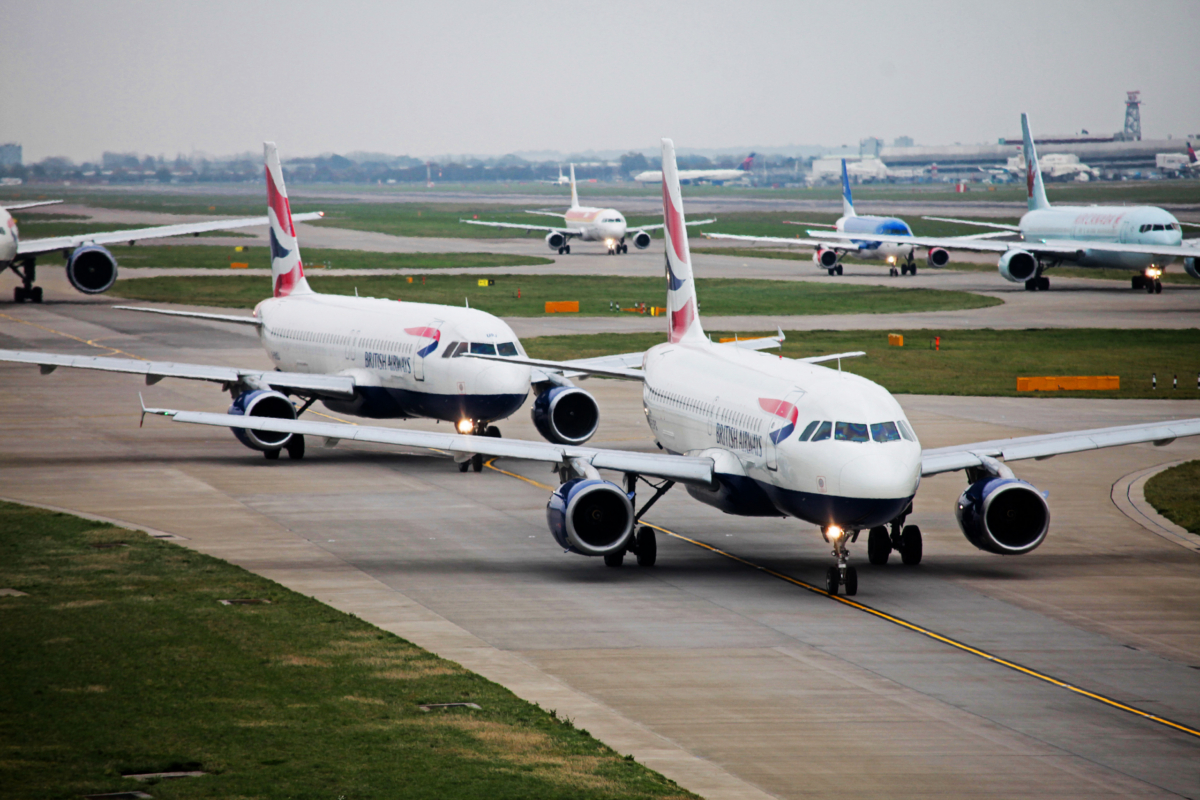

Key facts
- IAG chief executive Luis Gallego said talks with Heathrow failed to close a £19bn gap on the expansion scheme.
- IAG supports a third runway but says private investment alone cannot deliver the scheme at a cost passengers would accept.
- Gallego raised using extra Air Passenger Duty receipts or government funding of land and early engineering work, per Advance.
- Heathrow said it had narrowed the gap and was reviewing plans with airlines to remove costs that did not offer value.
- The Civil Aviation Authority said Heathrow could recover up to £320m in 2024 prices of eligible 2025 and 2026 early costs.
International Airlines Group, the parent of British Airways, has warned Prime Minister Andy Burnham that Heathrow's £49bn expansion plan would require airport charges higher than it believes passengers would pay through fares, according to a report by Advance dated November 23, 2026. In a letter to the prime minister reported by The Times, IAG chief executive Luis Gallego said talks with Heathrow had failed to close a £19bn gap between the cost of the scheme and the amount the airline group believes its customers would bear.
IAG supports a third runway but argues that private investment alone cannot deliver the current scheme at a cost acceptable to passengers. Gallego raised options including using additional Air Passenger Duty receipts generated by expansion, or having the government fund land purchases and early engineering work, Advance reported, citing City AM.
Heathrow said it had made progress in narrowing the gap and was reviewing the plans with airlines to remove costs that did not offer value. "Expansion must be affordable for airlines and passengers, as well as financeable for investors, and we're determined to deliver it," a Heathrow spokesperson told City AM, according to Advance.
Heathrow put forward a privately financed proposal in August 2025. Advance reported that about £21bn was allocated to the north-west runway and airfield infrastructure, including land acquisition and M25 realignment, £12bn to new terminal and aircraft stand capacity, and about £15bn to modernising the existing airport, expanding Terminal 2 and phasing out Terminal 3. Heathrow said it planned that work regardless of whether the third runway went ahead. The blueprint would raise capacity to as many as 756,000 flights and 150 million passengers a year.
The Civil Aviation Authority regulates what Heathrow can charge airlines, and IAG's dispute centers on how much of the investment can be recovered through those charges and how much airlines would pass on in ticket prices. In a separate decision on early expenditure, the regulator said Heathrow Airport Limited could recover eligible costs incurred in 2025 and 2026 through airport charges, up to £320m in 2024 prices, subject to safeguards including independent scrutiny and efficiency reviews.
The Department for Transport used Heathrow Airport Limited's north-west runway scheme to inform its draft Heathrow Expansion National Policy Statement, which would set the framework for assessing a future planning application. The department is reviewing responses to its consultation, which closed on September 1, and parliamentary scrutiny is due to end on November 26. Heathrow is running a separate consultation on its proposed application for a development consent order, closing on December 22.