Key facts
- The Houthi group claimed to have struck a Saudi oil tanker, the 'Wafaa', in the Red Sea with ballistic missiles.
- Shipping traffic through the Strait of Hormuz and the Bab-el-Mandeb strait has significantly decreased.
- Saudi Arabia is rerouting oil exports northward to Egypt and the Suez Canal due to Red Sea dangers.
- Two LNG tankers in Egypt's Damietta port were struck by drones.
- The Houthis claim to have targeted 8 Saudi tankers and intercepted 29 since announcing a blockade.
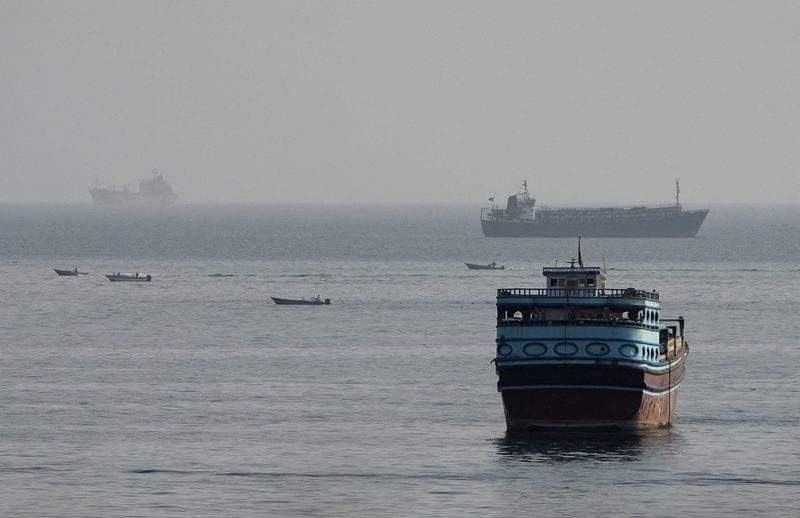
The Houthi group claimed on Wednesday to have struck a Saudi oil tanker, the 'Wafaa', in the Red Sea with ballistic missiles, escalating threats against vessels rerouting north. Houthi military spokesperson Yahya Saree stated that the Yemeni Armed Forces targeted the tanker. Maritime intelligence group Windward reported that the 'Wafaa' was last seen transmitting on July 19, heading southbound toward the Bab el-Mandeb Strait before reportedly U-turning north to avoid the Houthi blockade. The Houthis stated this attack is part of their threat to disrupt Saudi shipping in the Red Sea and Bab el-Mandeb chokepoint, claiming to have targeted 8 Saudi tankers and intercepted 29 since announcing a blockade.
This incident occurs as Saudi Arabia faces increasing challenges rerouting its oil exports. Following disruptions via the Strait of Hormuz, Saudi Arabia initially redirected significant volumes to the Red Sea port of Yanbu. However, the Houthi blockade has made this route dangerous, leading to further rerouting towards Egypt. Two LNG tankers in the Egyptian port of Damietta were recently struck by drones. Saudi Arabia is now attempting to utilize the Suez Canal and the SUMED pipeline, but their combined capacity is insufficient to handle all previously diverted flows, potentially shrinking Saudi oil exports.
Shipping traffic through the Strait of Hormuz and the Bab-el-Mandeb strait, key maritime chokepoints, reduced significantly on Wednesday from the previous day. Just two vessels transited the Strait of Hormuz, down from eight a day earlier. In the Bab el-Mandeb, only one commodity vessel crossed on Wednesday, down from 20 the previous day. Roughly 130 to 140 ships would typically transit the Strait of Hormuz before the U.S.-Israeli war with Iran began on February 28 and Iran responded by closing the strait.