Hong Kong's government is launching its first five-year plan, aiming to address economic gaps and create jobs, with a focus on AI investment and the Northern Metropolis megaproject. The plan, designed to align with national development goals, will undergo a two-month public consultation.

This strategic initiative signals Hong Kong's commitment to economic diversification and technological advancement, aiming to solidify its position as a global financial and innovation hub while aligning with mainland China's development trajectory.
Hong Kong is preparing to launch its first five-year plan, a strategic document aimed at addressing economic disparities and fostering job creation, particularly in the fields of artificial intelligence and the Northern Metropolis megaproject. Secretary for Constitutional and Mainland Affairs Janice Tse Siu-wa announced that the plan is slated for publication in the third quarter and is currently undergoing a two-month public consultation. Tse emphasized that the blueprint is designed to be a high-level, forward-looking guide that complements the city's annual budget and the Chief Executive's policy address, aligning Hong Kong's development with Beijing's national 15th five-year plan (2026-2030).
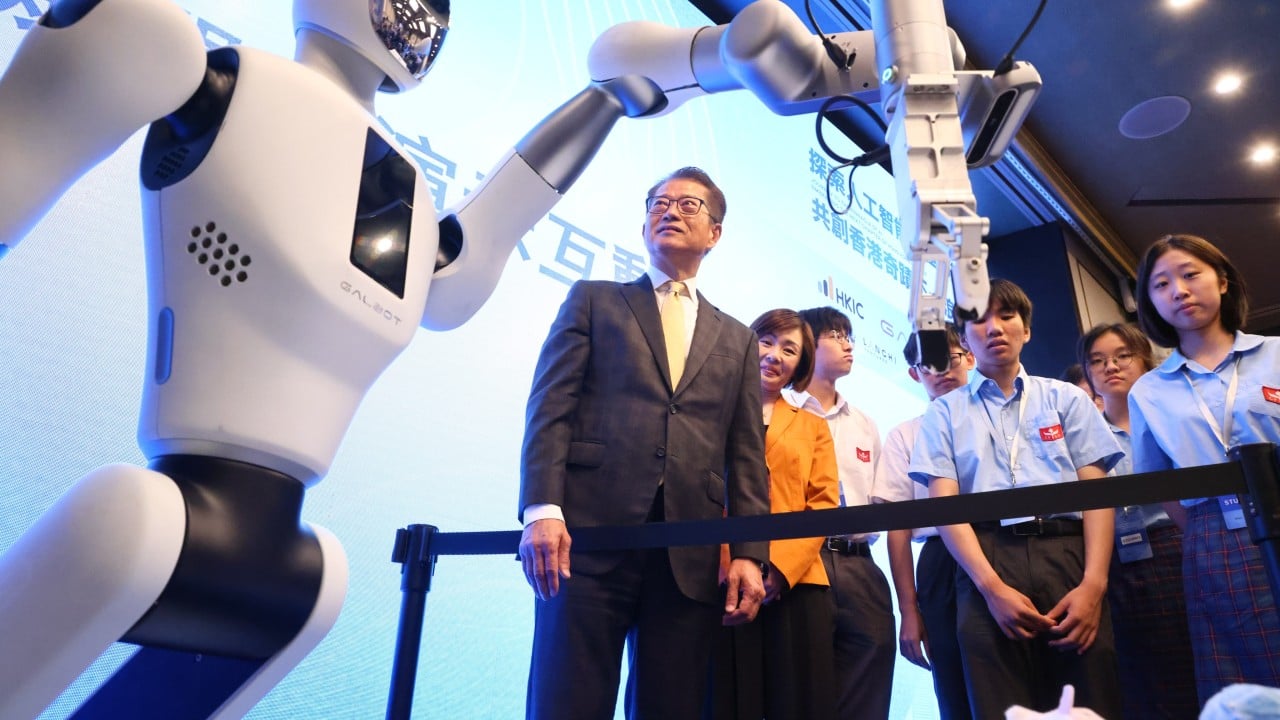
Financial Secretary Paul Chan has been actively promoting Hong Kong as a pivotal hub for AI investment, positioning the city as a bridge between international investors and Chinese technology firms. He highlighted Hong Kong's stable investment environment and China's strengths in AI development, including its manufacturing capabilities and electronics supply chain. To further support AI advancement, the government is establishing a Committee on AI+ to identify and remove development bottlenecks, alongside plans for broad AI training programs and market infrastructure upgrades.
Tse addressed concerns that the five-year plan signaled a move towards a planned economy, asserting that the initiative would "complement" Hong Kong’s free market system and uphold the "one country, two systems" principle. She clarified that aligning with national plans shapes vision and deployment through macro-policies rather than replacing market mechanisms, aiming for clearer and steadier market development.
Pick the topics you care about. Get only what matters, on your cadence.