Key facts
- Mable Chan said AI and big data could detect certain incidents within 10 seconds, against up to a minute generally.
- Chan said the Kowloon Bay section is expected to cut Kwun Tong Bypass traffic volume by 10 percent, taking Route 6's diversion effect to 20 percent.
- Chan said a flat HK$8 toll for the whole bypass is needed to lower its saturation level to 0.85 from a forecast 0.95.
- Chan said the government had received eight applications for ride-hailing service licences, more than expected.
- Chan said more than 21,000 people had signed up for the combined taxi and ride-hailing written test since August, and more than 9,000 of over 15,000 who sat it passed.
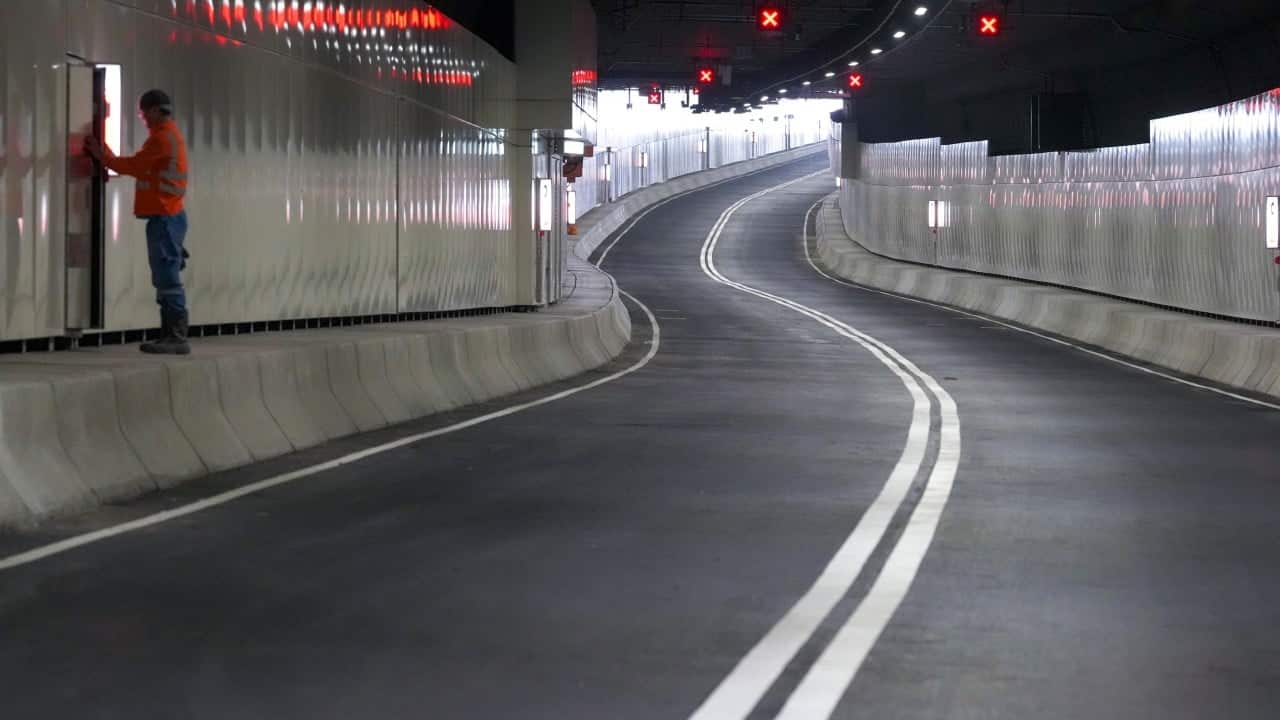
Hong Kong Secretary for Transport and Logistics Mable Chan said on November 29 that artificial intelligence and big data used in the Central Kowloon Bypass systems could cut detection and response times for certain incidents from up to a minute to within 10 seconds. She was speaking on a Commercial Radio program, according to RTHK.
Chan said the Kowloon Bay section of the bypass, scheduled to open on December 6, was expected to reduce traffic volume on the Kwun Tong Bypass by a further 10 percent, taking the diversion effect on Route 6 to 20 percent. The section completes Route 6, a 12.5-kilometre highway linking Tseung Kwan O, Kowloon East and Kowloon West, the Civil Engineering and Development Department said in a November 27 statement.
On the Yau Ma Tei section, which opened almost a year earlier, Chan said traffic volume now stands at about 76,000 vehicles per day from an initial 50,000. Rush-hour traffic flow fell by about 18 percent on Lung Cheung Road and about 13 percent on Gascoigne Road, she said.
Chan said the bypass's saturation level is forecast to rise to 0.95 from 0.75 once the Kowloon Bay section is fully commissioned, and that a flat HK$8 toll for the entire bypass is necessary to lower it to 0.85, leaving room for traffic to grow.
Separately, Chan said the government had received eight applications for ride-hailing service licences, more than expected, and aimed to issue approvals for the first batch of platforms around the end of November or in December. More than 21,000 people had signed up for the combined taxi and ride-hailing written test since its launch in August, and more than 9,000 of the more than 15,000 who sat it passed, she said.