Key facts
- Thirty-one of 36 elective subsectors are contested, up from 13 in the 2021 ballot, the primary report said.
- Beijing expects turnout to surpass the 2021 level, according to the primary report.
- Nine real estate and construction candidates attended a Central street booth on November 14, HK01 reported.
- Lianhe Zaobao reported that some candidates were told at short notice that street booths were no longer needed.
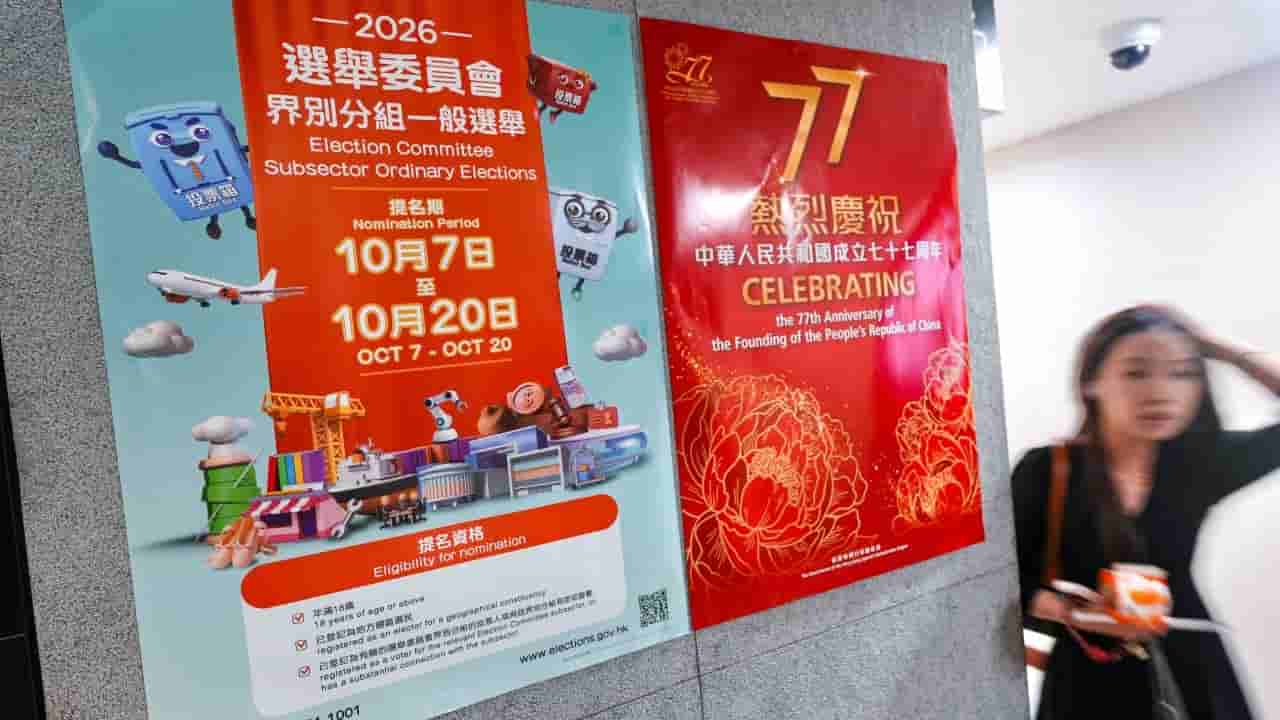
Hong Kong's Election Committee holds its poll on Sunday, November 22, with campaigning stepped up in the days before the vote, according to a report published on November 21. The committee nominates and elects the city's chief executive.
The primary report says 31 of the 36 elective subsectors are contested, up from 13 in the 2021 ballot, and that 856 candidates are competing for 723 seats. It says Beijing expects turnout to exceed the 2021 level, a push observers cited by the report describe as aimed at closing the distance between the committee and the public and at enhancing its legitimacy.
HK01 reported that 19 candidates are standing in the real estate and construction subsector for 17 seats, and that 11 of them issued a joint platform under the slogan "Build a better Hong Kong, achieve an ideal home," including support for the city's first five-year plan and development of the Northern Metropolis. Nine candidates attended a street booth in Central on November 14, among them Henderson Land chairman Martin Lee, Sun Hung Kai Properties executive director Christopher Kwok, CK Asset executive director Justin Chiu, Great Eagle Group chairman Lo Ka Shui, Hysan Development executive chairman Irene Lee, New World Development executive director and chief executive Echo Huang and Chinachem executive director and chief executive Cheung Lee-man.
Lianhe Zaobao reported that some candidates' street campaigning was called off at short notice, with candidates in the industrial, commercial and professional subsectors told on the eve of their events that booths were no longer needed. It cited a veteran political figure as saying the change may have reflected a view that outreach by some subsectors would have limited impact, since the election is not based on universal suffrage and most of the public cannot vote. Chan Choi-hi, chairman of the Hong Kong Institute of Public Governance, told the outlet that campaigning had largely stayed within candidates' own subsectors and that the overall atmosphere was relatively subdued.