Key facts
- Hong Kong's port aims to shift from volume-driven to value-driven development.
- Container throughput in 2025 decreased by 5.1% to 12.99 million TEUs.
- New initiatives include a 'Green Energy Corridor' and revamped ship registration.
Hong Kong's port is undergoing a strategic shift from volume-based to value-driven development, as outlined in its First Five-Year Plan for 2026-2030. Despite recent export growth, container throughput declined 5.1% in 2025 to 12.99 million TEUs, prompting the initiative to enhance competitiveness and establish Hong Kong as a global maritime capital.
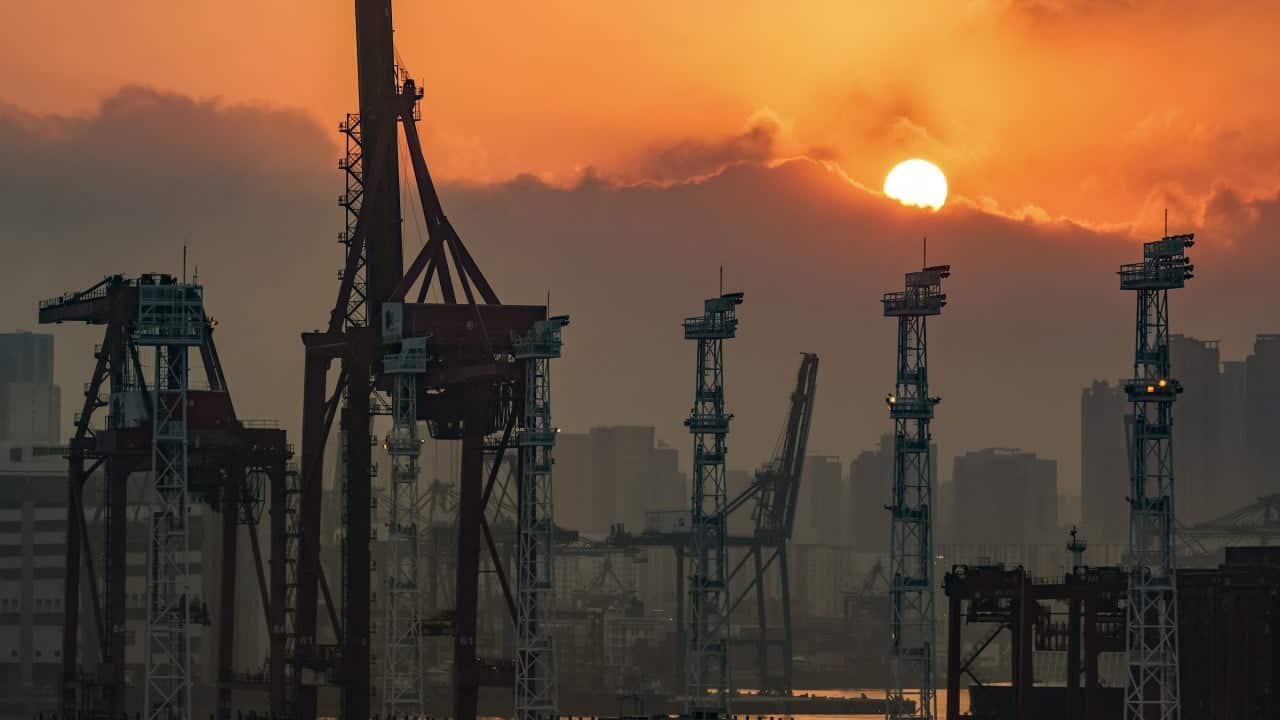
The strategic shift aims to revitalize Hong Kong's port and maintain its status as a global maritime capital amidst changing trade dynamics and declining throughput, impacting logistics and trade finance sectors.
Hong Kong's port is initiating a strategic transformation to become value-driven rather than throughput-driven, as detailed in its First Five-Year Plan for 2026-2030 and the Chief Executive's 2026 Policy Address. This move comes despite recent growth in exports, as the city's port experienced a 5.1% year-on-year decline in container throughput in 2025, reaching 12.99 million TEUs. The Hong Kong Maritime and Port Development Board (HKMPDB) has welcomed these measures, which aim to sharpen competitiveness and bolster Hong Kong's standing as an international maritime center. Initiatives include establishing a 'Green Energy Corridor' with a mainland Chinese city, revamping the ship registration regime, and exploring synergies between financial and maritime services, particularly in marine insurance and ship finance. The plan also involves a roadmap for the smart and green transformation of the Kwai Tsing Container Terminals and the development of offshore trade cargo tracking using blockchain technology.
Pick the topics you care about. Get only what matters, on your cadence.