Key facts
- HIVE said the 32-megawatt Big Boden site in Sweden could generate $45 million in annual AI colocation revenue.
- The proposed lease of up to 10 years is nonbinding and the counterparty is an unnamed Swedish technology company.
- HIVE plans to retrofit the site for up to 10,000 Nvidia GB300 GPUs with liquid cooling.
- The proposed customer would receive about 25 megawatts of usable computing capacity from the 32-megawatt connection.
- HIVE reports $185 million in contracted GPU-cloud annualized run-rate revenue, of which $40 million is live.
- CEO Aydin Kilic said the parties are negotiating deposits, termination rights and other terms.
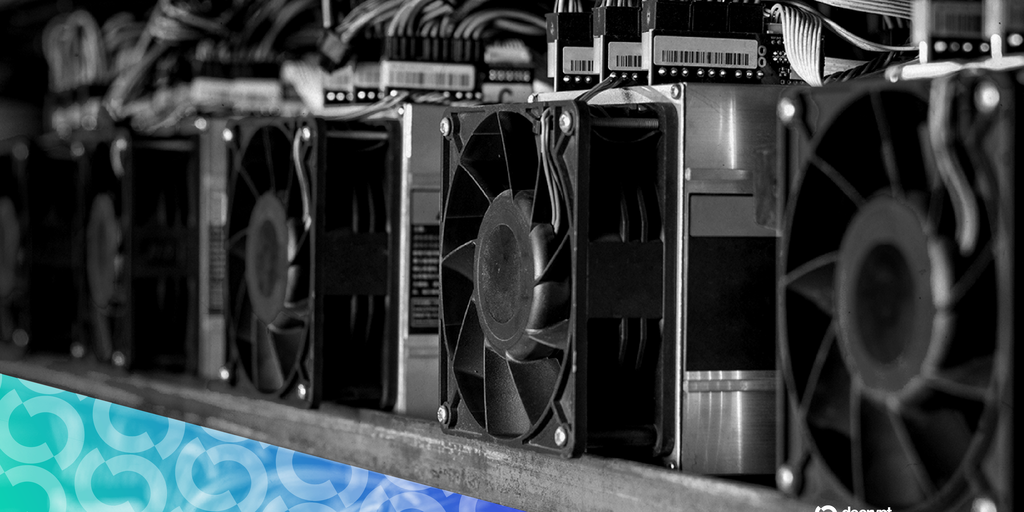
Bitcoin miner HIVE Digital Technologies said a proposed AI colocation arrangement at its 32-megawatt Big Boden facility in Sweden could generate $45 million in annual revenue, but the company has not secured a final lease. HIVE restated the estimate in its latest earnings update, published on November 10, 2026, and said the revenue depends on a definitive agreement, financing, facility upgrades and the project entering service.
The company first disclosed the proposal in June 2026. It involves an unnamed, investment-grade Swedish technology company and contemplates a lease of up to 10 years. On the earnings call, CEO Aydin Kilic said the parties were negotiating deposits, termination rights and other terms that could affect financing costs, and that a lender's consultant had visited the site the previous week.
"We do not want to rush into a deal just for the sake of reporting new top-line revenue," Kilic said, according to the earnings call transcript. HIVE expects to seek financing for the Boden project after securing a signed lease, potentially through corporate bonds, and has not announced a completion date for the negotiations.
The existing data center would need a substantial retrofit. HIVE plans to convert it for up to 10,000 Nvidia GB300 GPUs using liquid cooling for high-density racks. Although the site has a 32-megawatt utility connection, the proposed customer would receive approximately 25 megawatts of usable computing capacity, with the rest supporting data center operations.