Key facts
- Three hikers were rescued from Mount Shasta after becoming lost.
- The hikers stated they relied too heavily on AI for navigation and planning.
- They used tools such as Google Gemini, YouTube, and the AllTrails app.
- One hiker sustained a knee injury during the descent.
- A US Forest Service ranger noted an increase in AI-related mishaps among hikers.
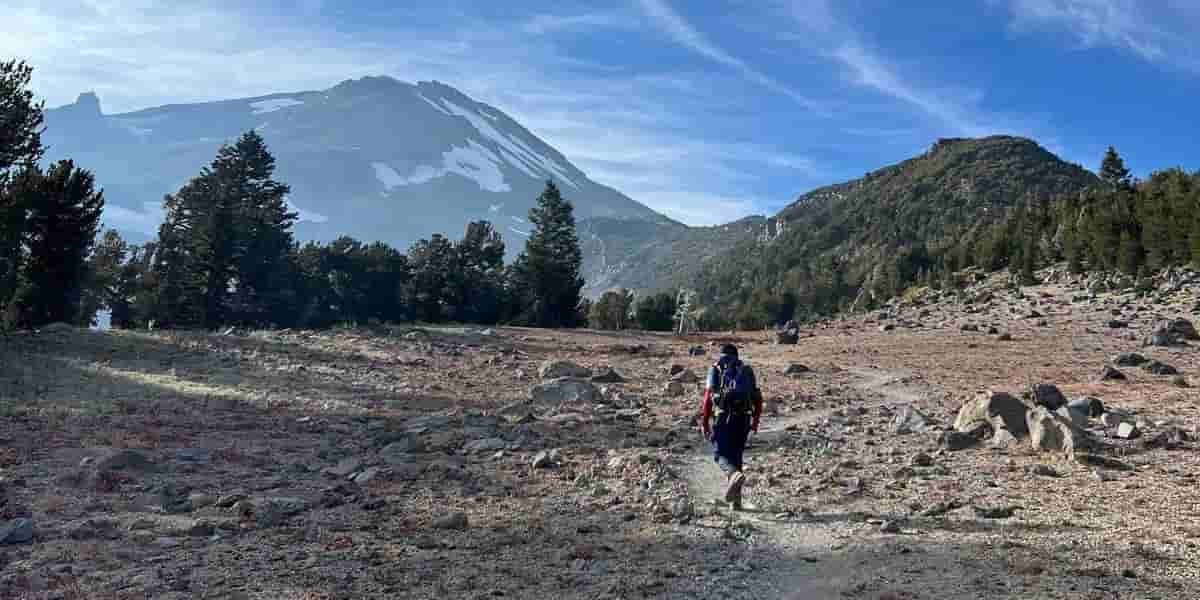
Three hikers were rescued from Mount Shasta after becoming lost due to over-reliance on AI for navigation, according to the US Forest Service. The group of 20-year-old men used tools like Google Gemini, YouTube, and AllTrails to plan their ascent of the 14,179-foot peak.
While descending in the dark after a 16-hour summit attempt, the novice climbers strayed from the Clear Creek route. One sustained a knee injury, and their navigation cellphone died. They were forced to make a makeshift camp overnight without adequate supplies.
Climbing rangers reached the stranded hikers on Monday morning and assisted them down. The group admitted to rangers that they had "relied too much on AI rather than our own critical thinking." Lead climbing ranger Nick Meyers noted that while AI wasn't solely to blame, the hikers made a series of errors, including exceeding their planned hike time and ignoring the recommended turnaround time.
Meyers, who also directs the Mount Shasta Avalanche Center, stated that this incident is part of a growing trend. He reported at least two other summer mishaps involving hikers misled by AI, including one woman who camped in a prohibited area after ChatGPT advised her it was permissible, and another man who used a flawed AI-generated map.
Companies like Google and OpenAI acknowledge that their AI models can make mistakes and "hallucinate," advising users to double-check information. Rangers emphasize the importance of using AI as just one tool among many, alongside traditional methods like consulting official sources, visiting ranger stations, and developing "mountain sense" through experience.