Key facts
- Chancellor John Healey stated the UK government will reduce the welfare bill before the next election.
- Healey indicated a "tough" approach for young people who refuse job or training offers.
- The welfare system is described as "unsustainable" by the Chancellor.
- Office for Budget Responsibility forecasts show welfare spending growing to £431bn by 2030.
- Sickness and disability benefits are projected to exceed £100bn annually by 2028-29.
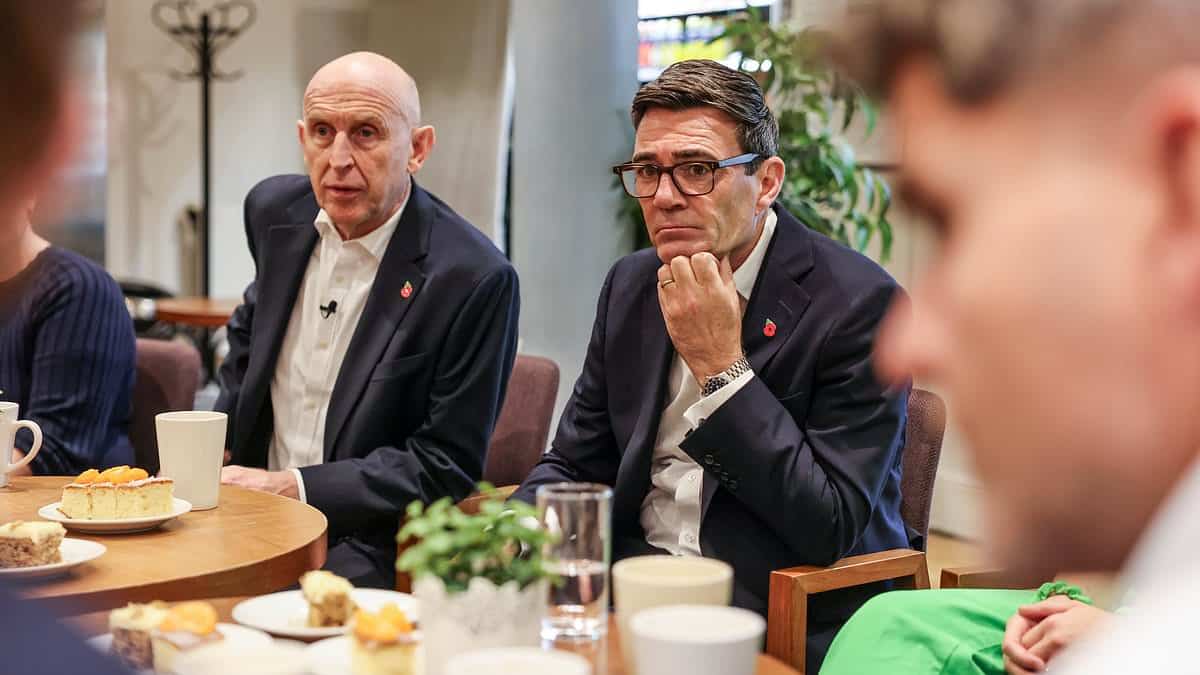
UK Chancellor John Healey stated on Thursday that the government intends to reduce the welfare bill before the next election, employing a "tough" approach towards young people who decline job or training opportunities. Healey emphasized that the current welfare system is "unsustainable" and that specific changes will be announced following reviews on youth unemployment and disability benefits. The Office for Budget Responsibility forecasts that total welfare spending will rise to £431 billion by 2030, with sickness and disability benefits alone projected to exceed £100 billion annually by 2028-29. Downing Street later clarified that there is no "arbitrary timetable" for these reductions, but the Prime Minister affirmed the desire to "get the welfare bill down as quickly as possible."