Key facts
- Kilauea volcano in Hawaii has experienced dramatic lava fountain eruptions.
- Fountains have reached heights of up to 400 meters.
Researchers are studying lava fountains at Hawaii's Kilauea volcano, which have reached heights of up to 400 meters. While the exact mechanism driving these dramatic eruptions remains unclear, data suggests steam, rather than carbon dioxide, plays a significant role. The eruptions have provided valuable insights into volcanic processes.
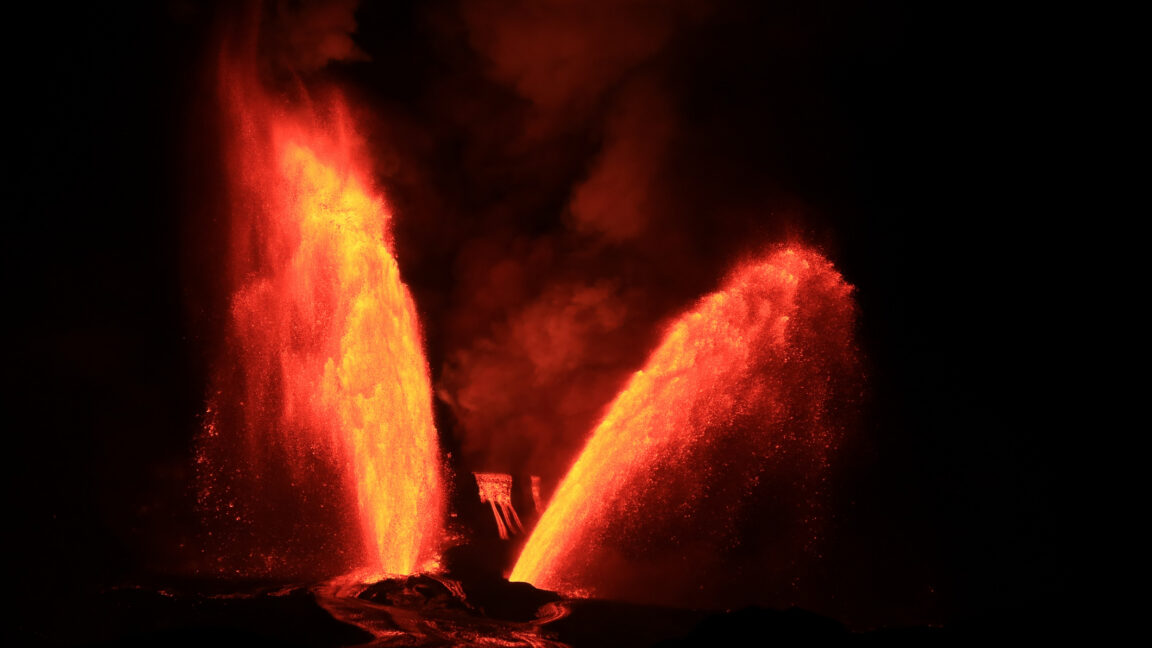
Understanding the mechanisms behind dramatic volcanic eruptions like those at Kilauea is crucial for predicting and mitigating potential hazards to nearby populations and infrastructure. The ongoing research provides valuable insights into the complex processes occurring deep within the Earth's crust.
Recent eruptions at Hawaii's Kilauea volcano have provided scientists with unprecedented data on lava fountains, which can expel molten rock hundreds of meters into the air. While the exact mechanisms driving these dramatic events are still being investigated, research published in Science suggests that steam, rather than carbon dioxide, is the primary force behind the fountaining.
Kilauea, the youngest and most active volcano in Hawaii, has experienced only three fountaining episodes since 1823. However, intensive study has been possible due to numerous data-gathering stations on the volcano. Following a major eruption in 2018 that drained an underground lava reservoir, refilling accelerated significantly from 2019 onwards, leading to increased inflation of the volcano's peak.
In 2024, a series of earthquakes preceded the opening of a fissure, resulting in lava fountains reaching up to 160 meters high for 13 hours. This was followed by a second eruption less than a day later, with subsequent events including one that spewed lava over 400 meters into the air. Researchers noted that these eruptions caused rapid deflation of Kilauea's summit, followed by a slower refilling of the magma reservoir. The USGS observed that consecutive eruptions occurred when the summit tilt reached similar levels, aiding in the issuance of alerts despite the lack of immediate seismic precursors.
The analysis of gas levels during these eruptions indicated that sulfur dioxide rose during eruptions and dropped afterward, while remaining high between them. This suggests increased gas escape during eruptions, but also continuous venting. Magnesium oxide levels fluctuated, consistent with a cycle of reservoir depletion and refilling with hotter material, while other oxides rose, indicating a distinct chemical composition in the newly arriving magma. Despite the wealth of data, researchers acknowledge the need for more information, particularly from infrared wavelengths, and noted the challenges in installing additional monitoring hardware due to the intensity of the eruptions.
Pick the topics you care about. Get only what matters, on your cadence.