Key facts
- UK government announces default midnight to 6 a.m. social media curfew for 16-17 year olds.
- Auto-play and infinite scroll features will be disabled by default for this age group.
- Users will be able to opt out of the curfew and feature restrictions.
- Safeguards for AI chatbots, including mandatory breaks for under-18s, are also planned.
- The measures are intended to improve teenagers' sleep, focus, and family time.
- Critics argue the proposals are 'piecemeal' and ineffective.
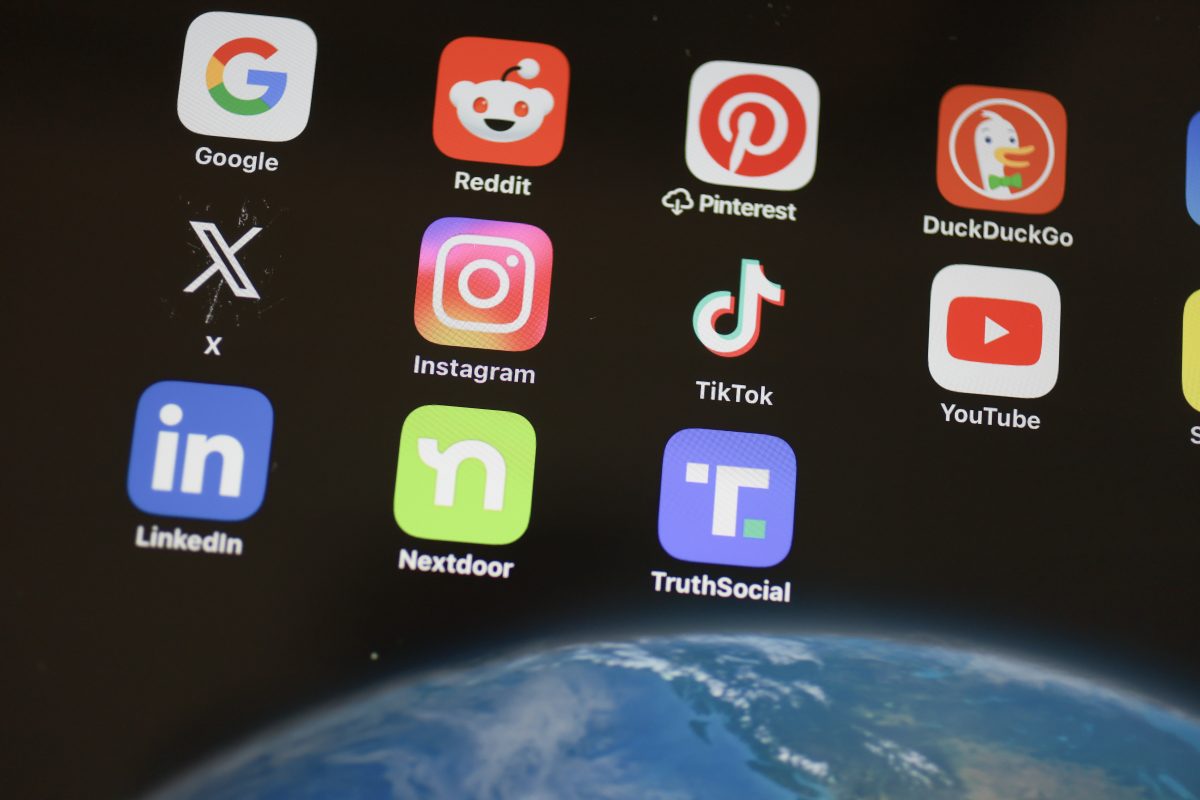
The UK government is introducing new measures to regulate social media use among teenagers, including a default midnight curfew for 16 and 17-year-olds and the disabling of auto-play features. Announced by Technology Secretary Liz Kendall, these protections are intended to safeguard young people's wellbeing, sleep, and concentration from addictive online content. The curfew, planned to take effect alongside a ban for under-16s next spring, will be active by default between midnight and 6 a.m. but can be overridden by users. The government also plans safeguards for AI chatbots, such as mandatory breaks for users under 18.
Trials indicated benefits like improved sleep and concentration, with parents finding the curfew manageable. However, critics, including the Molly Rose Foundation and 5Rights Foundation, have described the measures as 'piecemeal' and insufficient for comprehensive child safety online. Concerns were also raised about potential privacy issues and compliance burdens for tech companies regarding age verification. Experts like Professor Sonia Livingstone noted that a curfew could harm vulnerable children by limiting access to support during the night, while others, like Dame Rachel de Souza, emphasized listening to young people's desire for protection from addictive features.
The proposals follow similar, though criticized, restrictions in Australia. The government cited research suggesting VPNs are not widely used by children to circumvent age checks.