Young accountants entering the profession are confident in their artificial intelligence capabilities but are facing a growing divide due to a perceived lack of soft skills, according to recent reports. This emerging gap highlights a generational difference in workplace expectations and priorities.
Firms are actively competing to recruit and retain top young talent amidst a significant CPA shortage. To attract this demographic, understanding their needs is paramount. Gen Z accountants are evaluating potential employers as much as employers are evaluating them, with work-life balance, professional development, and transparency ranking at the top of their list. They also seek stability in the face of economic uncertainties.
Bonnie Buol Ruszczyk, founder of BBR Consulting, noted that Gen Z has a healthier view of the workplace, prioritizing work to live rather than living to work. They expect clearly defined roles and recognition for advancement, potentially on a quicker schedule than traditional firms offer. Liz Burkhalter, director of CPA pipeline at the American Institute of CPAs, emphasized the importance of removing stigma and continuing to invest in young talent.
Lexi Weber, senior manager of emerging professionals initiatives at the AICPA, pointed out that Gen Z is challenging norms around working overtime and weekends, setting healthy boundaries. This is not necessarily seen as laziness but a shift in focus towards employee well-being. Weber also highlighted that Gen Z wants firms that are transparent about future strategies and how complexities will be handled, including clear three-year career plans and potential salary ranges.
Compensation is the second highest priority for young accountants, following work-life balance, according to KPMG's 2025 Intern Pulse Survey. The accounting profession has historically offered lower starting salaries compared to fields like finance and technology. This has led to increased pressure from external organizations offering lucrative deals for senior accountants due to the talent shortage.
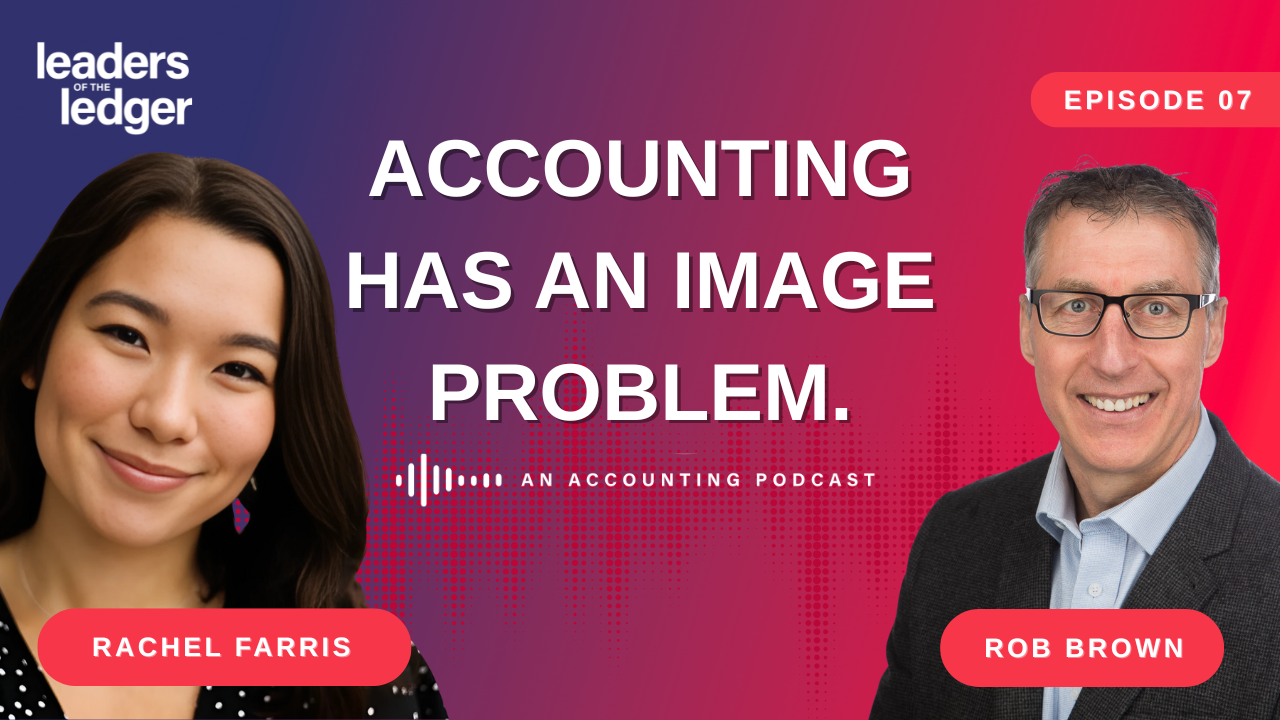
Rachel Faris, an influencer in the accounting profession, noted that accounting has an image problem, with fewer students pursuing it compared to pre-COVID times. She attributes this shift partly to the rise of remote work and the realization that individuals can develop online businesses or side hustles, influencing their career choices and entrepreneurial spirit.