Key facts
- Historic wildfires are burning across France and Spain, exacerbated by record heat and drought.
- Tens of thousands of people have been evacuated due to the fires.
- Firefighters are working to contain blazes before a new heatwave arrives.
- Scientists attribute the intensifying fires to human-driven climate change.
- France has experienced its most severe wildfire situation since World War II.
- Spain is preparing for its fourth heatwave of the summer.
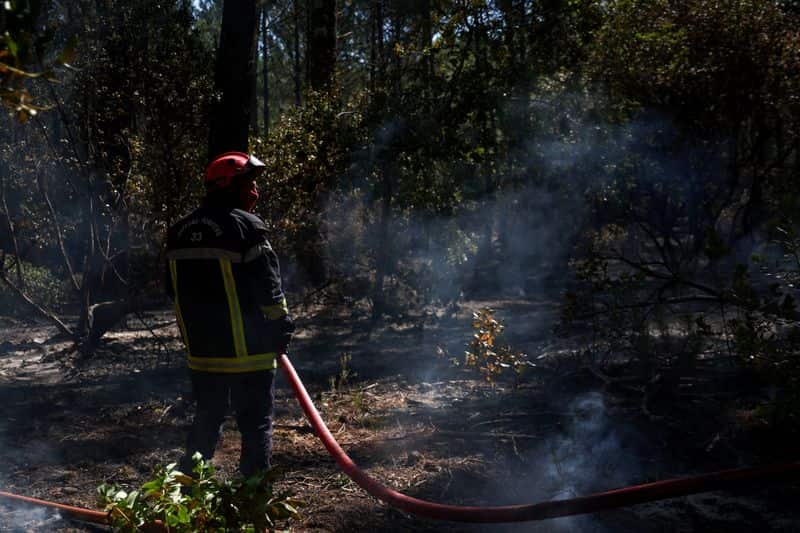
Firefighters are racing to subdue massive wildfires across France and Spain that have forced unprecedented evacuations, as Western Europe braces for another heatwave. The fires are tearing through regions already battered by a blisteringly hot and dry summer, with crews attempting to gain control before higher temperatures arrive from Wednesday.
Despite progress in some areas, such as the Bordeaux region of France where the blaze was contained overnight, and Spain allowing some residents to return home, fires continue to rage in other parts of Spain, including Madrid and nearby provinces. The situation remains difficult, with authorities maintaining heightened vigilance.
Europe is experiencing record-breaking heatwaves, with scientists attributing the intensifying heat and drought, which allow wildfires to spread faster and become more destructive, to human-driven climate change. French President Emmanuel Macron described the current wildfire situation as the most severe recorded since World War II, noting that wildfires in France have burned more area than at the same time in any year since 2006.
Spain is preparing for its fourth heatwave of the summer, with extreme fire risk expected due to high temperatures, southerly winds, and low humidity. As of Tuesday, Spain had over 73,000 evacuees and approximately 66,000 people confined to their homes. Temperatures in Bordeaux and Madrid are forecast to be significantly above average, with Paris potentially reaching 38 C on Wednesday. These frequent and intense heatwaves are causing thousands of excess deaths and disrupting daily life, impacting travel, shipping, and crop yields.