Key facts
- AI-generated recipes and food photography are increasingly appearing on platforms like Pinterest and Facebook.
- These AI creations can result in recipes that are nonsensical, dangerous, or simply do not work.
- Publishers are using their own culinary hubs to produce and highlight human-tested recipes.
- The effort aims to combat fraud and ensure consumers receive reliable cooking advice.
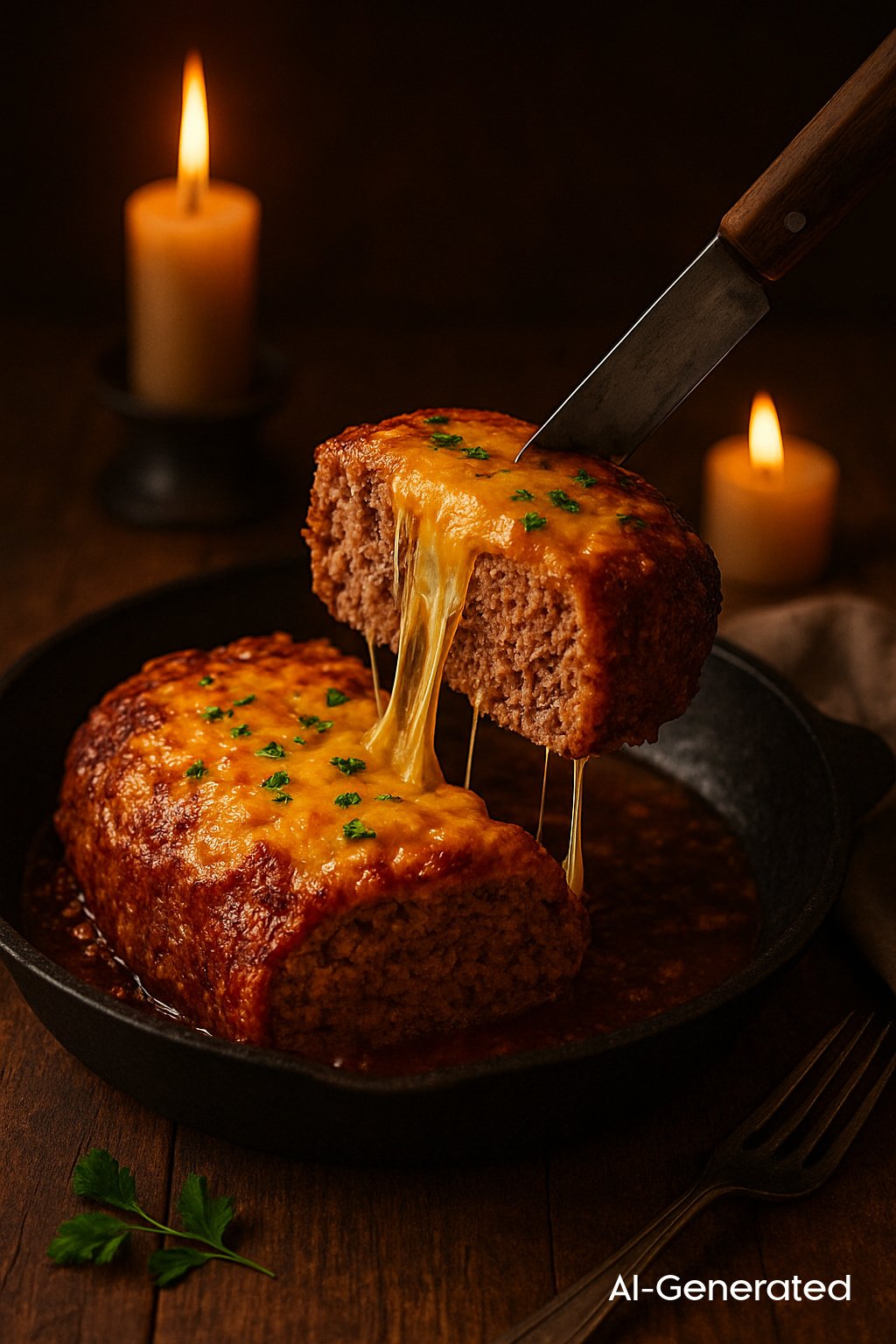
The proliferation of AI-generated recipes and deceptive food photography on social media platforms is prompting publishers to actively counter the trend. These AI creations, often referred to as "slop," can lead to frustrating cooking experiences, wasted ingredients, and financial loss for consumers who fall victim to fraudulent content. Publishers like People Inc., the parent company of Food & Wine and Southern Living, are leveraging their culinary hubs to produce and promote authentic, human-tested recipes. This strategy aims to differentiate genuine culinary content from AI-generated material and combat the spread of misinformation and fraud in the online food space.
AI models like ChatGPT generate recipes by identifying patterns from vast datasets of existing text, rather than by testing them. This can result in nonsensical or even dangerous combinations, such as bratwurst ice cream. Furthermore, AI is used to create highly realistic but fake food photography, often hosted on websites designed to mimic legitimate food bloggers. These fraudulent sites are frequently monetized through unscrupulous ad networks, exacerbating the problem. While AI-generated content currently cannot be copyrighted, many fake sites falsely claim copyright protection.